How to Improve Vascular Fitness: A Step-by-Step Guide for Men
Your heart pumps roughly 2,000 gallons of blood every single day, but how efficiently that blood moves through your body depends largely on your vascular fitness. Vascular fitness refers to the health and elasticity of your blood vessels — arteries, veins, and capillaries — and their ability to deliver oxygen-rich blood where your body needs it most. When vascular fitness declines, men often notice reduced stamina, slower recovery, sluggish energy, and even difficulty staying focused. The good news is that targeted lifestyle changes can meaningfully improve vascular fitness at almost any age. Below is a practical, step-by-step plan to strengthen your circulatory system and support the physical readiness you need to show up fully every day.
Step 1: Assess Where You Stand
Before diving into a new routine, take stock of your current baseline. Consider these questions:
- Do your hands or feet frequently feel cold, even in mild weather?
- Do you experience muscle cramps or heaviness in your legs after short walks?
- Does your recovery after moderate exercise feel slower than it used to?
- Have you noticed persistent low energy or afternoon fatigue?
If several of these resonate, your vascular system may benefit from focused attention. It's also wise to schedule a routine check-up — blood pressure, resting heart rate, and basic lipid panels give you hard data to track progress over time.
Step 2: Build a Circulation-Focused Exercise Routine
Exercise is the single most powerful tool for improving vascular fitness. When you work out, your blood vessels repeatedly expand and contract, which over time improves their elasticity and responsiveness. Research suggests that a combination of aerobic and resistance training produces the best vascular outcomes.
Aerobic Training
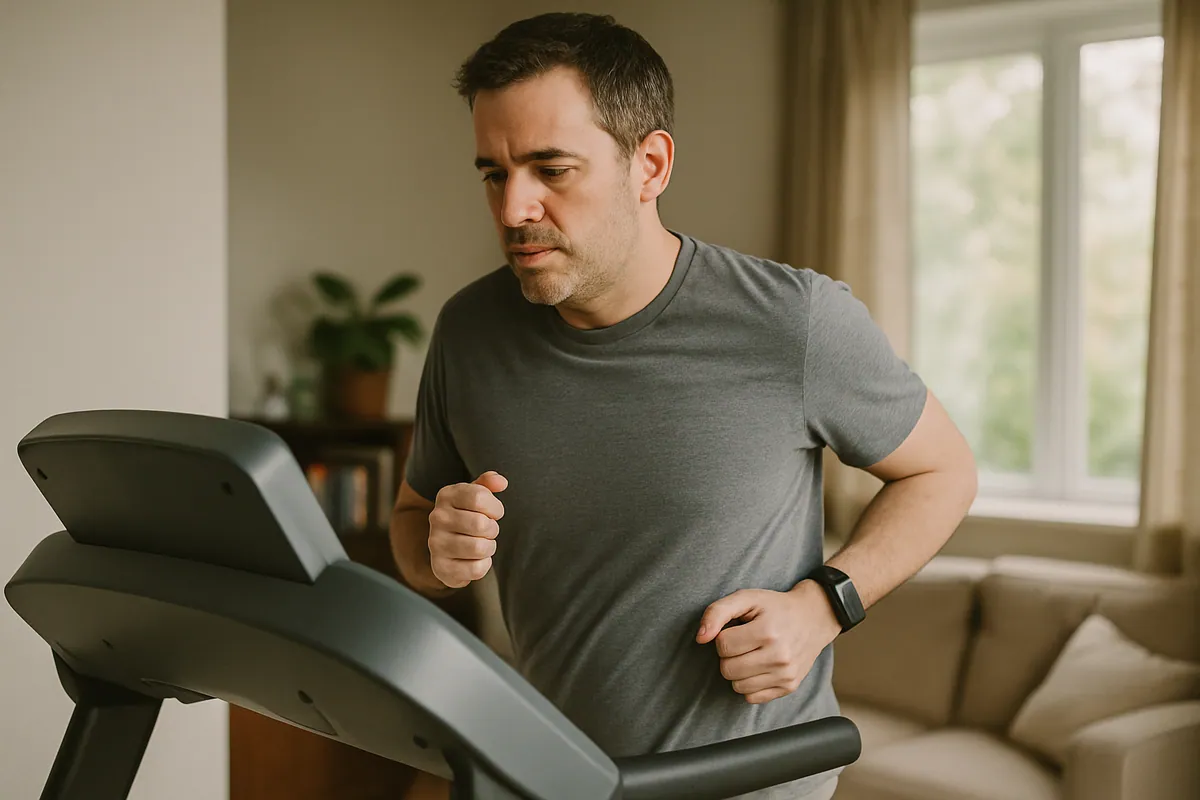
Aim for at least 150 minutes of moderate-intensity aerobic exercise per week — brisk walking, cycling, swimming, or rowing all qualify. These activities challenge your cardiovascular system in a sustained way, encouraging your blood vessels to adapt. If you're looking for structured cardio ideas, our guide to 9 cardio workouts that improve circulation for men is a solid starting point.
Resistance Training
Strength work isn't just for building muscle. Moderate-load resistance training may improve arterial stiffness and support nitric oxide production, a molecule that helps blood vessels relax and widen. Two to three sessions per week targeting major muscle groups is a practical goal. Check out these resistance exercises that boost blood circulation fast for movements you can start this week.
Mobility and Active Recovery
Don't overlook stretching, foam rolling, and low-intensity movement days. Dynamic stretching and yoga-style flows encourage blood flow to tissues that tighten up during sedentary hours, supporting overall vascular health.
Step 3: Dial in Vascular-Supportive Nutrition
What you eat directly influences the condition of your blood vessels. A few evidence-backed nutritional strategies can make a real difference:
- Prioritize nitrate-rich vegetables. Beets, spinach, arugula, and celery contain dietary nitrates that the body converts to nitric oxide, which may help relax blood vessel walls.
- Eat omega-3 fatty acids regularly. Fatty fish like salmon, mackerel, and sardines provide omega-3s that research links to improved endothelial function — the inner lining of your blood vessels.
- Limit excess sodium. High sodium intake can stiffen arteries over time. Cooking at home more often and reading labels are simple ways to keep intake in check.
- Stay hydrated. Even mild dehydration thickens your blood, forcing your heart to work harder. Most men benefit from aiming for roughly half their body weight in ounces of water daily.
- Include antioxidant-rich foods. Berries, dark chocolate (in moderation), and green tea contain polyphenols that may protect blood vessel walls from oxidative damage.
Step 4: Manage Stress and Sleep Quality
Chronic stress floods your body with cortisol and adrenaline, which constrict blood vessels and raise blood pressure over time. Paired with poor sleep, this creates a cycle that erodes vascular fitness faster than most men realize.
- Target 7–9 hours of sleep per night. During deep sleep, your blood pressure naturally drops and your blood vessels get a chance to recover.
- Practice intentional stress management. Controlled breathing exercises, even five minutes of box breathing daily, have been shown to reduce arterial stiffness in clinical studies.
- Limit stimulant overuse. Excessive caffeine or energy drinks can spike blood pressure and mask underlying fatigue rather than address it.
Because hormonal balance also plays a role in vascular health, understanding how hormones interact with your circulatory system is worth exploring. Our FAQ on circulation and muscle recovery covers several of those connections.
Step 5: Adopt Daily Micro-Habits That Add Up
Big changes start with small, consistent actions. Weave these micro-habits into your day:
- Take movement breaks every 60–90 minutes. Prolonged sitting reduces blood flow to the legs. A two-minute walk or calf-raise set reactivates circulation.
- End showers with 30 seconds of cold water. Cold exposure causes blood vessels to constrict and then dilate, essentially "exercising" them passively.
- Elevate your legs for 10 minutes in the evening. This simple practice helps venous return and reduces lower-leg swelling.
- Practice diaphragmatic breathing. Deep belly breathing stimulates the parasympathetic nervous system, encouraging blood vessel dilation.
Step 6: Track Your Progress
Improvement in vascular fitness doesn't always show up on the scale. Pay attention to these markers instead:
- Resting heart rate trending downward over weeks
- Faster recovery between exercise sets
- Warmer extremities and less numbness
- Improved endurance during daily activities
- More consistent energy throughout the day
Keeping a simple journal or using a fitness tracker to monitor resting heart rate and exercise recovery times gives you objective data that keeps motivation high.
Frequently Asked Questions
How long does it take to notice improved vascular fitness?
Most men begin noticing subtle improvements — better energy, warmer hands and feet, improved workout recovery — within four to six weeks of consistent aerobic exercise and dietary changes. Measurable improvements in arterial stiffness may take three to six months.
Can vascular fitness decline with age?
Yes. Blood vessels naturally lose some elasticity as men age, but research consistently shows that regular exercise and healthy nutrition can slow and even partially reverse age-related vascular stiffness.
Is walking enough to improve vascular fitness?
Brisk walking is an excellent starting point, especially for men who are currently sedentary. Over time, adding higher-intensity intervals and resistance training amplifies the benefits.
Conclusion
Improving vascular fitness isn't about a single dramatic overhaul — it's about layering smart, sustainable habits into your daily life. By combining targeted exercise, nutrient-dense eating, quality sleep, and stress management, you give your circulatory system the support it needs to deliver oxygen, energy, and vitality to every part of your body. Start with one step today, build from there, and let the results speak for themselves.
This article is for informational purposes only and is not a substitute for professional medical advice, diagnosis, or treatment — always consult your healthcare provider before making changes to your exercise or nutrition routine.