6 Resistance Exercises That Boost Blood Circulation Fast
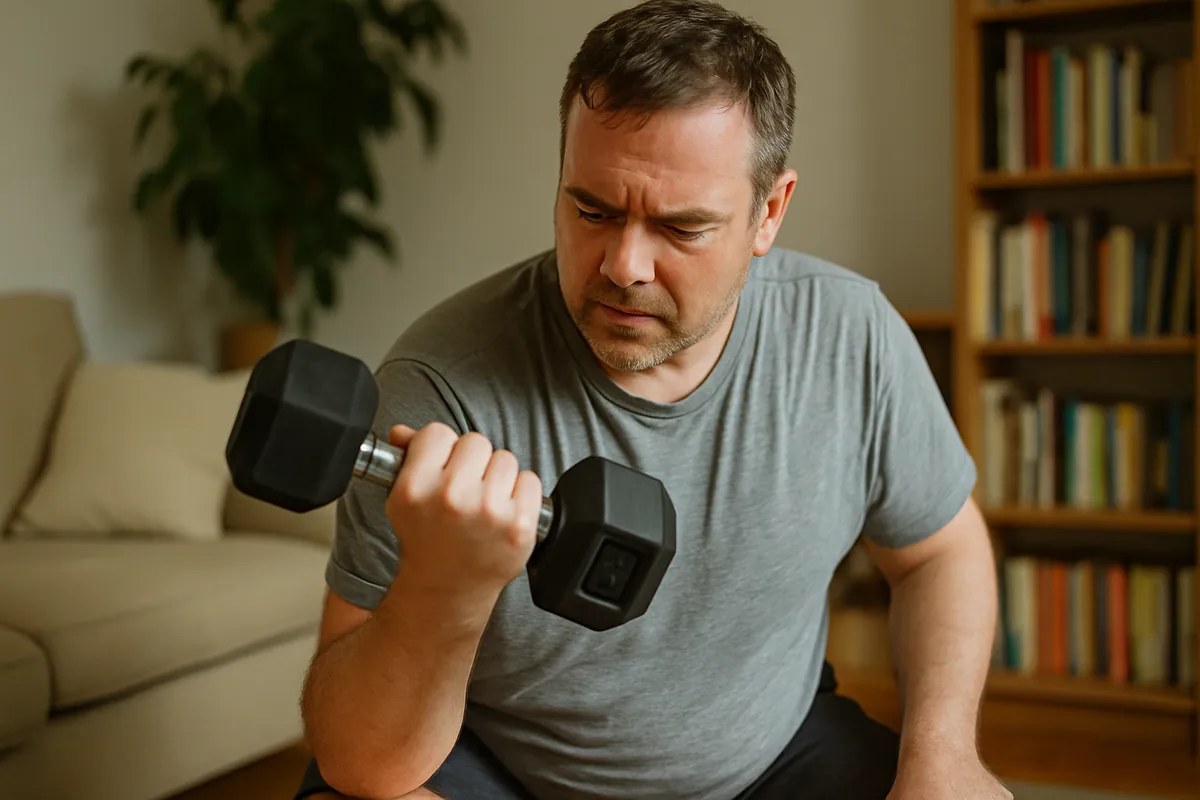
If you think resistance training is only about building muscle, you're missing one of its most powerful benefits. Research suggests that strategic resistance exercises can meaningfully improve blood circulation throughout the body by promoting vascular health, increasing capillary density, and encouraging efficient nutrient delivery to working tissues. For men dealing with sluggish energy, slow recovery, or reduced stamina, adding targeted strength movements may be a game-changer. Below are six resistance exercises that support blood circulation while building the functional strength your body needs to stay ready for anything life throws your way.
1. Barbell Squats
The squat is often called the king of all exercises—and for good reason. This compound movement engages the largest muscle groups in your body, including the quadriceps, glutes, and hamstrings. When large muscles contract and relax under load, they act as powerful pumps that push blood through your veins and back toward your heart.
A 2019 study published in the Journal of Strength and Conditioning Research found that lower-body resistance training may improve arterial compliance, which is a measure of how effectively your blood vessels expand and contract. For men over 30, this matters more than you might think.
Tips for circulation benefits:
- Use moderate weight with higher reps (10–15) to keep muscles under tension longer
- Focus on controlled tempo—3 seconds down, 1 second up
- Avoid holding your breath; steady breathing supports blood flow
If you're new to recovery strategies after heavy leg days, our guide on circulation and muscle recovery covers the essentials.
2. Deadlifts
Deadlifts recruit muscles from your calves all the way to your traps, making them one of the most comprehensive resistance exercises available. The posterior chain activation—glutes, hamstrings, and lower back—creates a systemic demand for blood flow that trains your cardiovascular system alongside your muscles.
The key is volume and intensity management. Moderate loads performed for multiple sets may stimulate nitric oxide production, a compound that helps blood vessels relax and widen. This vasodilation effect can persist well after your workout ends.
Conventional vs. Romanian
- Conventional deadlifts emphasize total-body recruitment and are ideal for building raw strength
- Romanian deadlifts keep constant tension on the hamstrings and may be better for sustained blood flow stimulus in the legs
Both variations deserve a spot in your rotation.
3. Push-Ups With Tempo Control
You don't need a gym membership to improve blood circulation through resistance training. The humble push-up, when performed with deliberate tempo, becomes a surprisingly effective circulation exercise. Slow, controlled reps increase time under tension in the chest, shoulders, and triceps, encouraging blood to flood these muscle groups.
Try this protocol:
- 4 seconds lowering, 2-second pause at the bottom, 2 seconds pressing up
- Perform 3 sets of 8–12 reps
- Rest 60–90 seconds between sets
This approach may also support better cardiovascular conditioning when combined with dedicated cardio sessions throughout the week.
4. Farmer's Carries
Farmer's carries are a functional exercise that challenges grip strength, core stability, and postural endurance simultaneously. What makes them uniquely valuable for blood circulation is the sustained full-body contraction combined with walking—a movement pattern that naturally promotes venous return from the lower extremities.
Grab a pair of heavy dumbbells or kettlebells and walk for 30–60 seconds per set. Your heart rate will climb, your forearms will burn, and your circulatory system will be working overtime to deliver oxygen to every muscle group involved.
5. Leg Press With Controlled Eccentric
The leg press offers a safer alternative to squats for men who may have balance or mobility limitations. By emphasizing the eccentric (lowering) phase, you can maximize the muscle-pump effect that drives blood through the lower body.
Research indicates that eccentric-focused resistance training may improve endothelial function—the health of the inner lining of your blood vessels. Healthy endothelium is critical for responsive blood circulation and overall cardiovascular fitness.
Protocol:
- Lower the weight over 4–5 seconds
- Press back up in 1–2 seconds
- Use a weight that allows 12–15 clean reps
- Complete 3–4 sets with 90-second rest intervals
6. Resistance Band Pull-Aparts
Don't underestimate resistance bands. Band pull-aparts target the rear deltoids, rhomboids, and upper back—areas that tend to get neglected and develop poor circulation due to prolonged sitting. This exercise encourages blood flow to the thoracic region, which may support better posture and breathing mechanics over time.
Perform 3 sets of 15–20 reps as part of your warm-up or cool-down. The high-rep, low-resistance nature of this exercise makes it ideal for flushing blood into muscles without creating excessive fatigue.
For a broader look at how circulation supports your overall recovery process, check out our beginner's guide to circulation recovery for men.
How to Structure These Exercises for Maximum Benefit
You don't need to perform all six exercises in a single session. Here's a practical weekly split:
- Day 1 (Lower Body): Barbell squats, leg press, farmer's carries
- Day 2 (Upper Body): Push-ups with tempo, resistance band pull-aparts
- Day 3 (Full Body): Deadlifts, farmer's carries, band pull-aparts
Rest at least 48 hours between sessions targeting the same muscle groups. Consistent training over 8–12 weeks may lead to measurable improvements in resting blood flow and exercise tolerance.
FAQ
How often should I do resistance training for blood circulation?
Most research points to 3–4 sessions per week as the sweet spot. This provides enough stimulus to promote vascular adaptations while allowing adequate recovery time.
Can resistance training replace cardio for circulation benefits?
Not entirely. Resistance training and cardiovascular exercise improve circulation through different mechanisms. Ideally, your routine should include both for comprehensive vascular health.
Are lighter weights or heavier weights better for circulation?
Moderate weights with higher reps (10–15 range) appear to offer the best combination of muscle pump effect and sustained blood flow. Extremely heavy loads with low reps may temporarily restrict blood flow due to intense muscle contraction.
The Bottom Line
Resistance exercises do far more than sculpt your physique—they actively support blood circulation, vascular health, and the kind of physical readiness that keeps you performing at your best. Start with the six movements above, stay consistent, and pay attention to how your energy, recovery, and overall vitality respond over time.
This article is for informational purposes only and is not a substitute for professional medical advice, diagnosis, or treatment; always consult your physician before starting any new exercise program.