7 Natural Ways to Support Nitric Oxide for Better Circulation
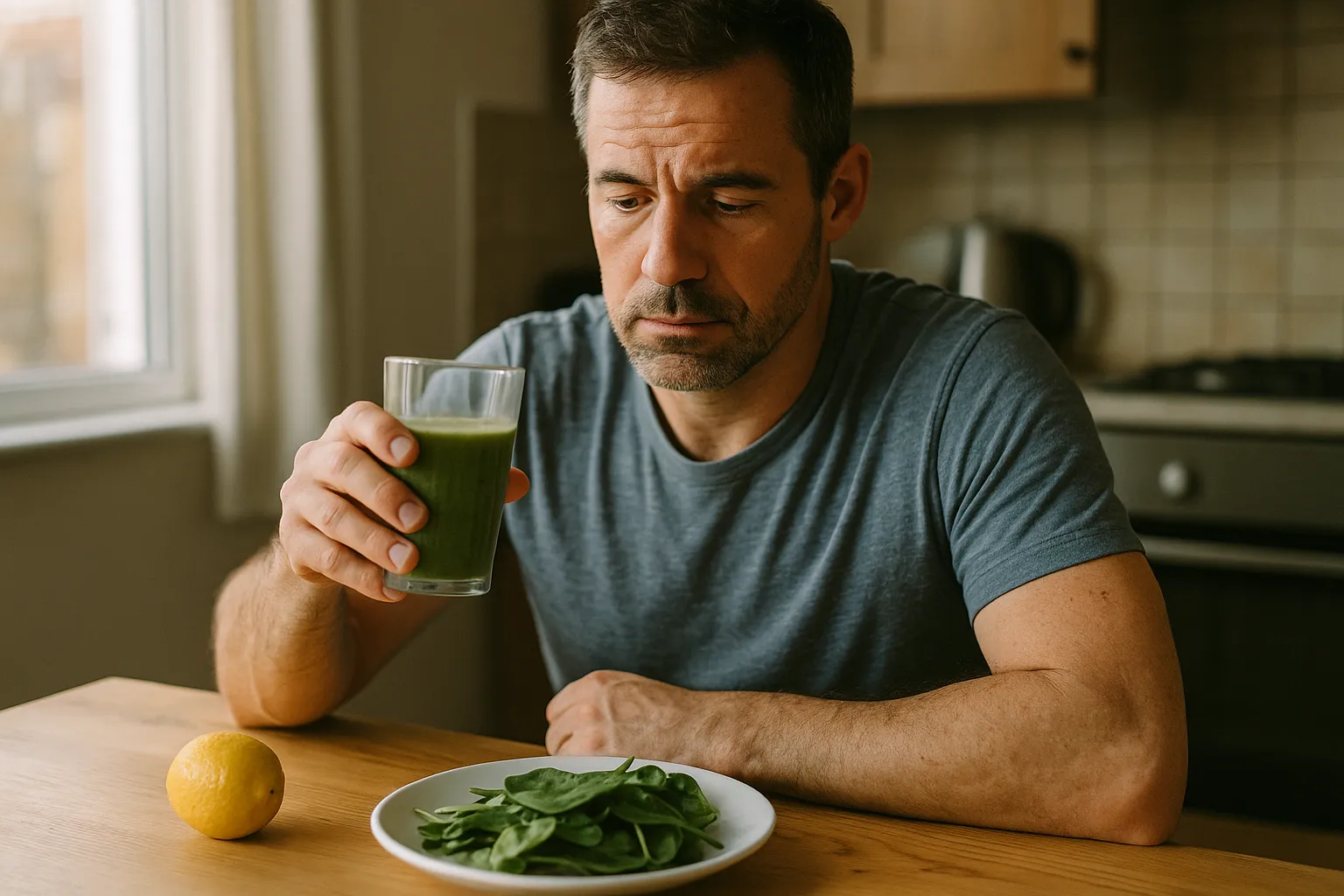
Nitric oxide is a molecule your body produces naturally to help blood vessels relax and widen, allowing blood to flow more freely to muscles, organs, and extremities. For men focused on stamina, recovery, and overall physical readiness, supporting healthy nitric oxide production is one of the more practical, science-backed circulation strategies available. Below are seven habits that research suggests may help your body maintain healthy nitric oxide levels naturally.
1. Eat More Nitrate-Rich Vegetables
Leafy greens like spinach and arugula, along with beets, contain natural dietary nitrates that your body can convert into nitric oxide. Regularly including these foods in meals is a simple, food-first way to support circulation. If you're looking for more ideas, 7 Energy Boosting Foods That Fight Daily Fatigue covers several options that overlap with nitric oxide–friendly choices.
2. Prioritize Aerobic Exercise
Cardiovascular activity — brisk walking, cycling, swimming — stimulates the blood vessel lining (endothelium) to release more nitric oxide over time. Consistency matters more than intensity here; even moderate, regular sessions can support long-term vascular function.
3. Practice Controlled Breathing
Breathing patterns influence oxygen delivery and vascular tone. Slow, diaphragmatic breathing techniques may help promote relaxation of blood vessels and support the body's natural nitric oxide pathways. For structured practices, 5 Breathing Techniques to Boost Stamina and Performance offers simple exercises you can try today.
4. Get Adequate Vitamin C and Antioxidants
Nitric oxide is fragile and can break down quickly when exposed to oxidative stress. Antioxidant-rich foods — citrus fruits, berries, bell peppers — may help protect nitric oxide once it's produced, giving it more time to support healthy blood flow.
5. Limit Prolonged Sitting
Extended periods of inactivity reduce shear stress on blood vessel walls, which is one of the natural triggers for nitric oxide release. Standing up, stretching, or taking short walking breaks every hour can help keep this process active throughout the day. This is especially relevant for men who notice their hands or feet feeling cooler after long desk sessions — a topic explored further in Cold Extremities: Why Circulation Slows in Men.
6. Manage Stress Levels
Chronic stress raises cortisol and can constrict blood vessels, working against healthy nitric oxide function. Simple stress-reduction habits — brief walks, mindfulness, adequate sleep — may support a more favorable environment for circulation over time.
7. Stay Consistently Hydrated
Blood volume and viscosity affect how efficiently nitric oxide can do its job. Mild dehydration can make blood thicker and harder to circulate, so steady water intake throughout the day supports the mechanical side of healthy blood flow alongside nitric oxide's chemical signaling.
Why Nitric Oxide Matters for Stamina and Recovery
Healthy circulation isn't just about feeling warm hands and feet — it's tied closely to how efficiently oxygen and nutrients reach working muscles during activity and recovery afterward. Many men chase stamina through training alone, but supporting the underlying vascular systems, including nitric oxide production, is a complementary piece of the puzzle. Muscle performance and recovery are deeply connected to blood flow quality, a theme also discussed in Muscle Fatigue Myths That Are Sabotaging Your Performance.
Frequently Asked Questions
Does nitric oxide production naturally decline with age? Research suggests that endothelial function and nitric oxide output can decrease over time, which is one reason cardiovascular exercise and diet become increasingly important as men get older.
Can lifestyle habits really make a noticeable difference? While individual results vary, combining several of the habits above — diet, movement, hydration, and stress management — is generally considered more effective than relying on any single change alone.
Is nitric oxide the same as nitrates or nitrites in food? Not exactly. Dietary nitrates are precursors that your body can convert into nitric oxide through a multi-step process, which is why nitrate-rich vegetables are often highlighted in circulation-focused nutrition advice.
The Bottom Line
Supporting nitric oxide naturally isn't about one dramatic change — it's about stacking small, sustainable habits that support your blood vessels day after day. Eating nitrate-rich foods, staying active, breathing intentionally, and managing stress all work together to support the circulation your body relies on for stamina, recovery, and everyday readiness.
This article is for informational purposes only and is not a substitute for professional medical advice.