Afternoon Energy Slump: Why It Happens and How to Beat It
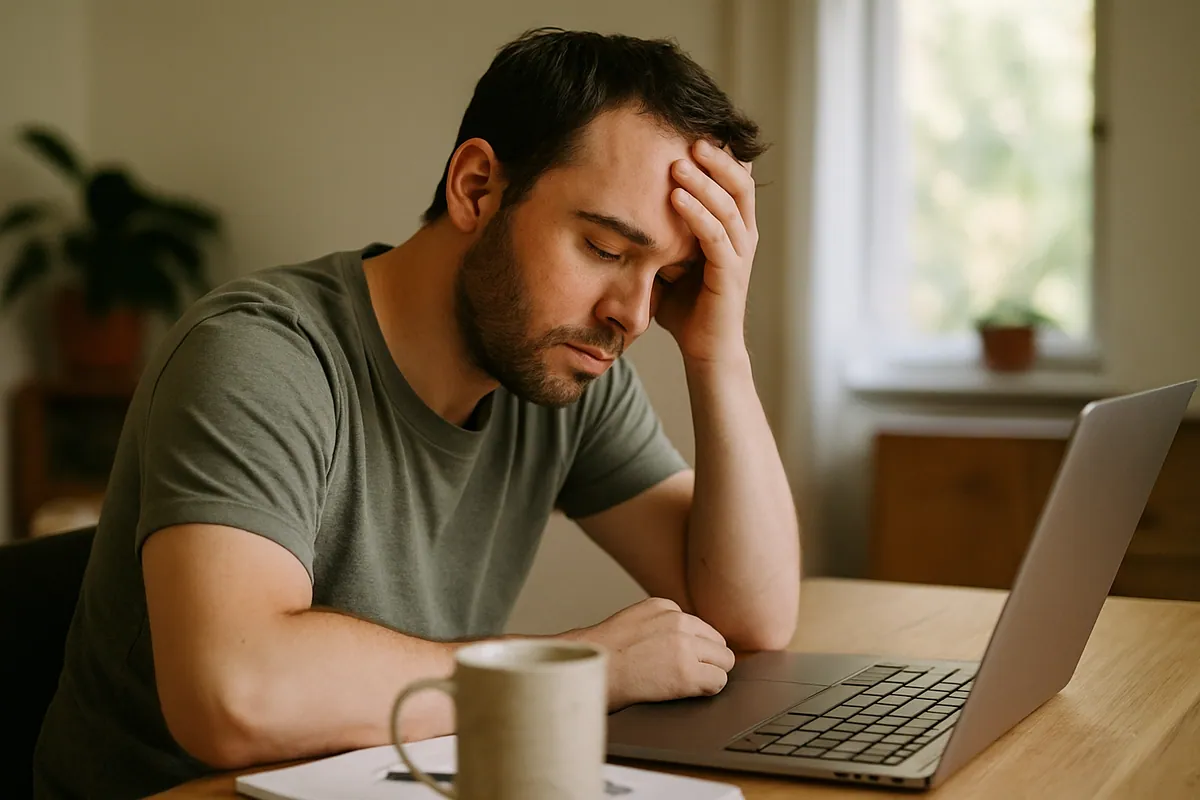
If you've ever found yourself staring blankly at your screen around 2 p.m., you're not alone. The afternoon energy slump is one of the most common complaints among men trying to stay productive and focused throughout the day. Research suggests that this midday dip in alertness is partly biological — tied to your circadian rhythm — but lifestyle factors like diet, hydration, and sleep quality play a massive role in how severe it gets. The good news? You don't have to accept that post-lunch crash as inevitable. With the right adjustments, you can maintain steadier energy from morning to evening.
Below, we tackle the most frequently asked questions men have about afternoon fatigue and what actually works to fight it.
Why Does the Afternoon Energy Slump Happen?
Q: Is it normal to feel exhausted every afternoon, or is something wrong with me?
For most men, a mild dip in energy between 1 p.m. and 3 p.m. is completely normal. Your body's internal clock — the circadian rhythm — naturally creates two periods of peak sleepiness: one in the early morning hours and another in the early-to-mid afternoon. This is sometimes called the "post-lunch dip," though it happens even if you skip lunch entirely.
However, if your afternoon crash is so severe that you can barely function, it may signal something more than normal biology. Contributing factors include:
- Poor sleep quality the night before
- Blood sugar spikes and crashes from high-glycemic meals
- Dehydration — even mild dehydration can impair cognitive function
- Hormonal shifts — testosterone levels naturally fluctuate throughout the day
- Sedentary habits — sitting for hours reduces circulation and oxygen delivery to the brain
If fatigue feels relentless or disproportionate, it's worth checking in with a healthcare provider to rule out underlying conditions like thyroid dysfunction or sleep apnea.
What Should I Eat to Avoid the Crash?
Q: Does what I eat at lunch really affect my afternoon energy?
Absolutely. What you eat — and how much — at midday has a direct impact on how you feel an hour later. Large, carb-heavy meals trigger a bigger insulin response, which may lead to a sharper blood sugar drop afterward. That drop is what makes your eyelids feel like they weigh ten pounds.
Here's what research suggests works better:
- Prioritize protein and healthy fats — grilled chicken, fish, eggs, nuts, and avocado provide sustained fuel without dramatic blood sugar swings
- Include fiber-rich vegetables — they slow digestion and keep energy release more gradual
- Moderate your portion size — overeating at lunch diverts blood flow to digestion, leaving less for your brain and muscles
- Limit refined sugars and white carbs — white bread, sugary drinks, and pastries are the biggest crash culprits
If you're looking for a more comprehensive approach to fueling your day, our guide on how to boost your daily energy with practical strategies covers nutrition, timing, and more.
Can Movement Really Fix Afternoon Fatigue?
Q: I sit at a desk all day. Would a short walk actually make a difference?
Yes — and the evidence is surprisingly strong. A 2017 study published in Physiology & Behavior found that just 10 minutes of stair walking gave participants more energy than 50 mg of caffeine. Movement increases blood flow, delivers more oxygen to the brain, and triggers the release of endorphins and norepinephrine, both of which sharpen alertness.
You don't need a full workout. Try these micro-movement strategies:
- Take a 10-minute walk after lunch, ideally outside in natural light
- Do a quick set of bodyweight exercises — squats, push-ups, or calf raises at your desk
- Stretch for five minutes — focus on your hip flexors, hamstrings, and shoulders
- Stand during meetings or phone calls whenever possible
Improving circulation is especially important for men who spend most of their day seated. Our article on simple habits for better circulation offers additional strategies that complement afternoon movement breaks.
Does Hydration Really Matter That Much?
Q: Could my afternoon slump just be dehydration?
It's more likely than you think. Studies show that even 1-2% dehydration — a level most people don't consciously notice — can reduce concentration, increase feelings of fatigue, and worsen mood. Men tend to need more water than women due to larger body mass and higher muscle-to-fat ratios, yet many fall short.
A practical target is roughly half your body weight in ounces per day (so about 100 ounces for a 200-pound man), adjusted for activity level and climate. Front-loading your water intake in the morning and before lunch may help prevent the afternoon slump from setting in.
Quick Hydration Tips
- Keep a refillable water bottle visible on your desk
- Set a reminder to drink every 60-90 minutes
- Add lemon, cucumber, or mint if plain water feels boring
- Eat water-rich foods like watermelon, cucumbers, and oranges
How Does Sleep Tie Into Afternoon Energy?
Q: I sleep seven hours a night. Why am I still dragging by 2 p.m.?
Sleep duration is only part of the equation — sleep quality matters just as much. If you're waking frequently, snoring heavily, or spending too little time in deep sleep stages, seven hours may not be enough to fully restore you. Poor sleep compounds the natural circadian dip, turning a mild slowdown into a full-blown crash.
Factors that may undermine sleep quality include late-night screen exposure, alcohol before bed, irregular sleep schedules, and high evening stress. Establishing a strong morning energy routine can also reinforce your circadian rhythm, making it easier to fall asleep at night and feel more resilient against afternoon dips.
FAQ: Quick Answers to Common Questions
Q: Is coffee after lunch a good or bad idea? Moderate caffeine (one cup of coffee) before 2 p.m. may help without disrupting nighttime sleep. Consuming caffeine after 3 p.m. can interfere with sleep onset for many men, creating a vicious cycle.
Q: Do naps help or make things worse? A short power nap of 10-20 minutes may boost alertness without causing grogginess. Naps longer than 30 minutes can leave you feeling worse and may interfere with nighttime sleep.
Q: Could low testosterone be causing my afternoon fatigue? It's possible. Testosterone plays a role in energy regulation, and levels naturally decline with age. If fatigue is persistent and accompanied by other symptoms like reduced motivation or muscle loss, discuss testing with your doctor.
Q: Are energy drinks a safe solution? Most energy drinks deliver a rapid spike followed by a crash, often worsened by high sugar content. They also carry risks related to excessive caffeine intake. Sustainable habits — nutrition, movement, hydration, and quality sleep — are far more effective long-term strategies.
The Bottom Line
The afternoon energy slump may be a universal experience, but how hard it hits you is largely within your control. By adjusting your lunch habits, incorporating brief movement into your afternoon, staying hydrated, and protecting your sleep quality, you can transform that daily crash into a manageable — even unnoticeable — dip. Consistency is what matters most: small daily habits compound into genuine, lasting vitality.
This article is for informational purposes only and is not a substitute for professional medical advice, diagnosis, or treatment; always consult your healthcare provider with any health-related questions.