Caffeine Myths vs. Facts: What Really Fuels Your Energy
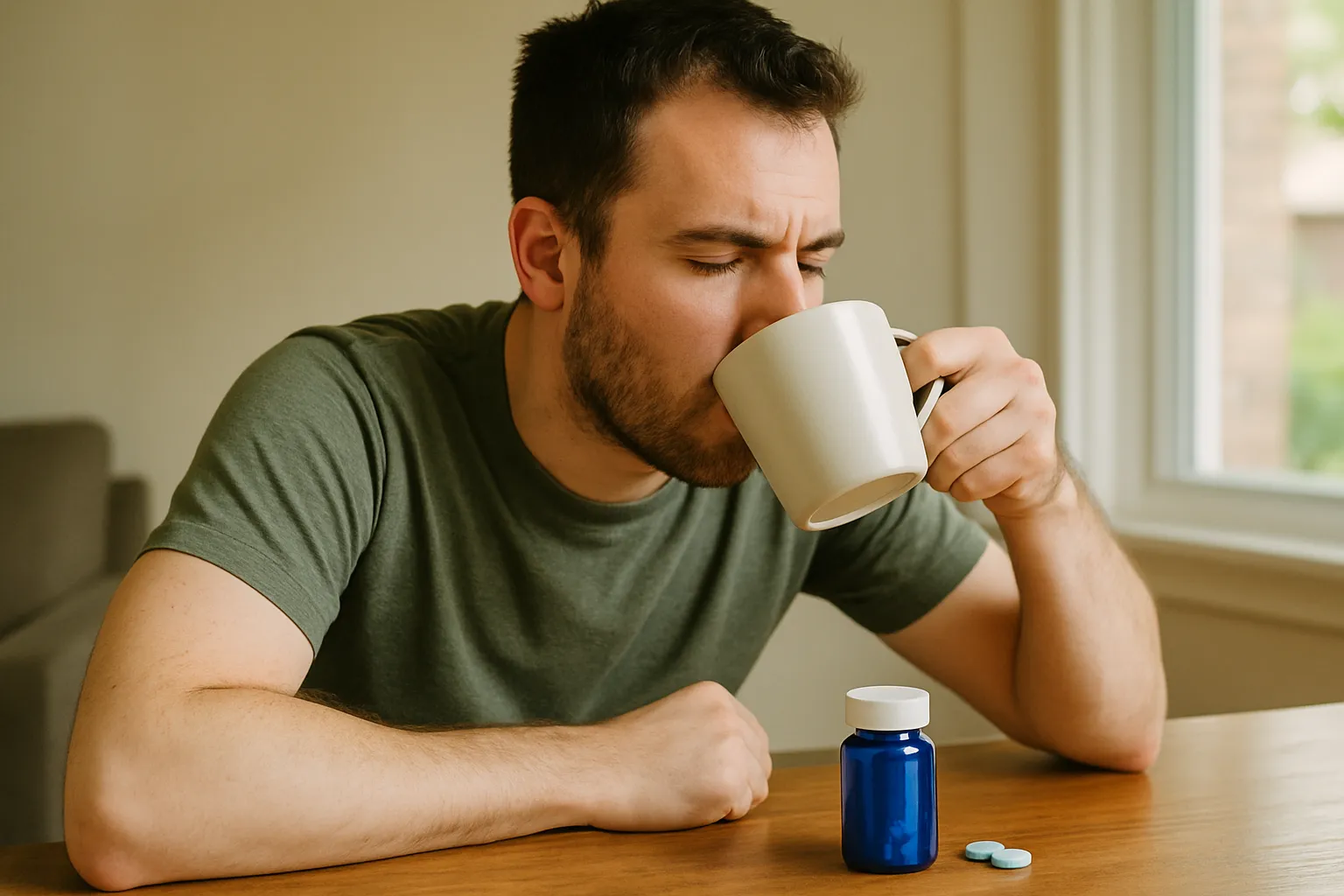
Few substances get more attention—or misinformation—than caffeine. For men chasing steady energy and better performance, separating caffeine myths from fact matters. The truth is more nuanced than “it’s good” or “it’s bad.” Caffeine can genuinely support alertness and focus when used wisely, but it isn’t a substitute for sleep, hydration, or a nutrient-dense diet. Below, we break down the most common caffeine myths circulating among men trying to boost daily vitality, and what current research actually supports.
Myth: Caffeine Is Just Empty Stimulation
Many assume caffeine simply masks tiredness without providing any real benefit. In reality, caffeine works by blocking adenosine receptors in the brain, a process that can temporarily reduce the perception of fatigue and improve reaction time. Research suggests moderate intake may support short-term alertness and even modest gains in physical performance. That said, it doesn’t replace the deeper cellular energy production that comes from healthy mitochondria. If you're relying on caffeine daily just to function, it may be worth exploring mitochondrial health as the hidden key to daily energy rather than treating caffeine as your main energy source.
Myth: More Caffeine Always Means More Energy
This is one of the most persistent caffeine myths. Beyond a certain point, additional caffeine doesn't produce proportionally more alertness—it simply raises the risk of jitteriness, anxiety, and disrupted sleep. Tolerance also builds quickly, meaning the same dose that once felt energizing may barely register after a few weeks of regular use. Cycling intake or moderating daily amounts tends to preserve caffeine's effectiveness far better than continually increasing it.
Myth: Caffeine Cures Fatigue
Caffeine can mask tiredness, but it doesn't resolve the underlying causes of chronic low energy—poor sleep, dehydration, nutrient gaps, or hormonal imbalances. Treating caffeine as a fix for ongoing fatigue often leads to a cycle of dependency without addressing root issues. A more sustainable approach involves looking at overall lifestyle patterns, including diet. Pairing smart caffeine use with energy-boosting foods that fight daily fatigue tends to produce more consistent results than caffeine alone.
Myth: Caffeine Timing Doesn't Matter
Some men drink coffee or energy drinks at any hour without considering the impact on sleep quality. But caffeine has a half-life of roughly five to six hours, meaning a cup consumed in the late afternoon can still be affecting your system at bedtime. Poor sleep, in turn, worsens the very fatigue caffeine is meant to combat. If you find yourself reaching for caffeine to survive a midday crash, it may help to first understand why the afternoon energy slump happens and address it with better meal timing or movement breaks instead of relying solely on stimulants.
Myth: Caffeine Is Universally Safe in Any Amount
While moderate caffeine intake is considered safe for most healthy adults, individual tolerance varies widely based on genetics, medication use, and underlying health conditions. Some men may experience elevated heart rate, digestive discomfort, or increased anxiety even at doses others tolerate easily. Listening to your body's response—rather than assuming a one-size-fits-all safe amount—is a more realistic approach.
Myth: Decaf Has No Benefit
Decaffeinated coffee still contains antioxidants and other compounds that may support general wellness, even without the stimulant effect. For men sensitive to caffeine or trying to reduce dependency, decaf can be a reasonable way to maintain routine and enjoyment without the downsides of excess stimulation.
FAQ: Common Caffeine Questions
Does caffeine improve physical performance? Some research suggests caffeine may modestly enhance endurance and reduce perceived exertion during exercise, though effects vary by individual.
How much caffeine is considered moderate? Most health guidance points to roughly 300–400 mg per day for healthy adults as a general upper reference, though personal tolerance should guide actual intake.
Can caffeine affect hormone balance? High intake, especially combined with poor sleep or chronic stress, may influence cortisol levels temporarily, though moderate use isn't typically linked to lasting hormonal disruption.
The Bottom Line
Caffeine isn't inherently good or bad—it's a tool that works best when used with realistic expectations. Understanding these caffeine myths can help you make smarter choices about when, how much, and why you reach for that next cup. True, sustainable energy comes from a combination of sleep, nutrition, movement, and mindful stimulant use, not caffeine alone.
This article is for informational purposes only and is not a substitute for professional medical advice.