9 Cardio Workouts That Improve Circulation for Men
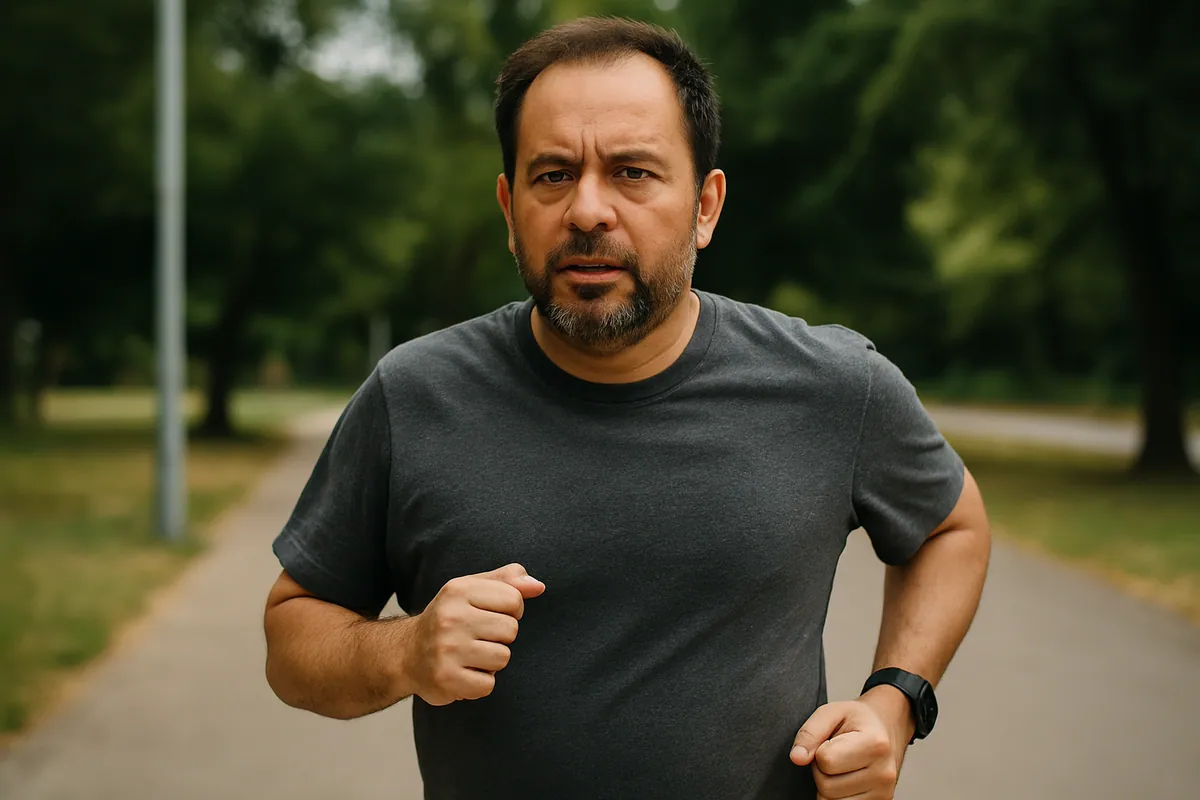
Good cardiovascular fitness is one of the most reliable ways to improve circulation throughout your entire body. When your heart pumps blood efficiently and your vessels stay flexible, every organ — from your brain to your muscles — benefits. Research consistently shows that men who prioritize cardio workouts improve circulation, maintain healthier blood pressure, and report higher energy levels throughout the day. But not all cardio is created equal, and finding the right mix can make or break your consistency.
Below are nine cardio workouts that research supports for boosting blood flow, strengthening your heart, and helping you feel more physically ready for whatever life throws your way.
1. Brisk Walking
Don't underestimate the power of a fast-paced walk. Studies suggest that 30 minutes of brisk walking five days a week may significantly improve vascular function and reduce arterial stiffness. Walking engages the calf muscles — often called your "second heart" — which help push blood back toward the chest.
- Best for: Beginners, recovery days, or men easing back into fitness
- Tip: Swing your arms purposefully to engage your upper body and increase overall blood flow
If you're just getting started with structured training, our guide on stamina training basics is a solid companion to a walking routine.
2. Cycling (Outdoor or Stationary)
Cycling is a low-impact powerhouse for cardiovascular health. It targets the large muscle groups in your legs, demanding a steady supply of oxygenated blood and encouraging your circulatory system to work harder. A 2019 review in the British Journal of Sports Medicine found that regular cycling was associated with lower risks of cardiovascular disease.
- Best for: Men with joint concerns who still want intense cardio
- Tip: Alternate between moderate steady-state rides and interval bursts for maximum circulatory benefit
3. Jump Rope
Jumping rope is one of the most efficient cardio exercises you can do. Just 10 minutes may deliver cardiovascular benefits comparable to 30 minutes of jogging, according to some research. The rhythmic impact also stimulates blood flow in the lower extremities and challenges coordination.
- Best for: Time-crunched workouts and improving agility
- Tip: Start with 30-second intervals and build up as your calves and cardiovascular system adapt
4. Swimming
Water-based cardio offers a unique advantage: hydrostatic pressure. The pressure water exerts on your body may help push blood from your extremities back to your heart, essentially giving your circulatory system a gentle assist. Swimming also works virtually every major muscle group, creating a full-body demand for oxygenated blood.
- Best for: Men dealing with muscle fatigue, joint issues, or those looking for a total-body option
- Tip: Mix strokes — freestyle, backstroke, and breaststroke each emphasize different muscle groups and circulatory demands
5. High-Intensity Interval Training (HIIT)
HIIT alternates between short bursts of all-out effort and brief recovery periods. This approach has been shown to improve endothelial function — the ability of your blood vessels to dilate and contract — more effectively than steady-state cardio in some studies. Better endothelial function translates directly to better circulation.
- Best for: Experienced exercisers looking to maximize results in minimal time
- Tip: Keep HIIT sessions to 20–25 minutes and limit them to two or three times per week to avoid overtraining
Men over 40 should be especially mindful of recovery. If that's you, check out these proven ways to build stamina recovery after 40.
6. Rowing
Rowing is an underrated full-body cardio exercise that engages roughly 86% of your muscles. The push-pull motion demands significant blood flow to both the upper and lower body simultaneously, which may help train your cardiovascular system to distribute blood more efficiently.
- Best for: Building functional strength alongside cardiovascular endurance
- Tip: Focus on form — drive with your legs first, then lean back slightly and pull with your arms
7. Stair Climbing
Climbing stairs forces your heart to work against gravity, which intensifies cardiovascular demand quickly. Research suggests that regular stair climbing may improve arterial compliance — a measure of how flexible and responsive your blood vessels are.
- Best for: Men who want effective cardio without a gym membership
- Tip: Use a local stadium, parking garage, or stair-climber machine; aim for 15–20 minutes per session
8. Dancing or Aerobic Classes
It might not feel like traditional "cardio," but rhythmic movement sustained over 30 to 60 minutes delivers genuine cardiovascular training. Dance-based exercise has been linked to improved heart rate variability and blood flow in multiple studies. The constantly changing movements also prevent repetitive strain.
- Best for: Men who struggle with workout boredom or want social motivation
- Tip: Try a martial arts–inspired class like kickboxing for an added intensity boost
9. Trail Running or Hiking
Uneven terrain forces your body to recruit stabilizer muscles and adapt stride patterns constantly, which increases cardiovascular demand compared to flat-surface running. The natural incline changes during a trail run or hike also challenge your heart in ways that mimic interval training organically.
- Best for: Outdoor enthusiasts who want cardiovascular work with a mental health bonus
- Tip: Start with moderate trails and gradually tackle steeper elevations as your fitness improves
How to Maximize Circulatory Benefits
No matter which workout you choose, a few principles amplify the circulatory payoff:
- Consistency matters more than intensity. Three to five sessions per week of moderate cardio may do more for long-term circulation than occasional extreme efforts.
- Warm up properly. A 5-minute dynamic warm-up primes your blood vessels and reduces injury risk.
- Stay hydrated. Dehydration thickens your blood and makes circulation less efficient.
- Address hormonal health. Hormonal imbalances can quietly undermine cardiovascular function. If you're noticing unexplained fatigue or reduced stamina, it's worth reviewing the signs of hormonal imbalance men should never ignore.
Frequently Asked Questions
How quickly can cardio improve circulation?
Some research suggests measurable improvements in vascular function can occur within two to four weeks of consistent aerobic exercise, though long-term benefits build over months.
Is cardio or strength training better for circulation?
Both contribute, but aerobic exercise has a more direct impact on cardiovascular efficiency and blood vessel health. Ideally, combine both in your weekly routine.
Can poor circulation cause muscle fatigue?
Yes. When blood flow is restricted, muscles receive less oxygen and nutrients, which may lead to faster fatigue and slower recovery.
How long should each cardio session last?
For most men, 20 to 45 minutes per session is a practical range. Even shorter bouts — like 10-minute walks throughout the day — can add up to meaningful circulatory benefits.
Keep Moving Forward
Improving circulation isn't about finding one perfect exercise — it's about building a sustainable habit of movement that keeps your heart strong and your blood flowing efficiently. Pick two or three workouts from this list, rotate them throughout your week, and pay attention to how your energy, endurance, and overall vitality respond over time. Small, consistent effort creates the biggest returns.
This article is for informational purposes only and does not constitute medical advice. Consult a qualified healthcare provider before beginning any new exercise program.