8 Proven Ways to Build Stamina Recovery After 40
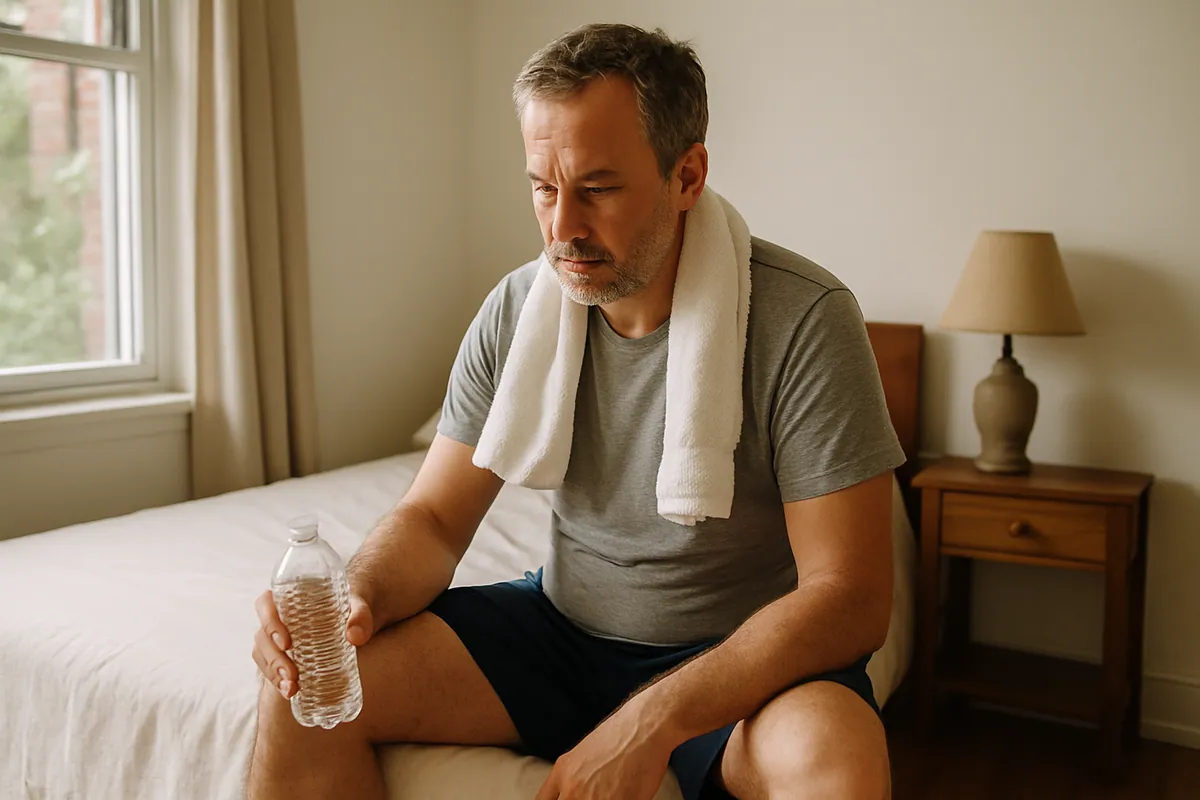
If you're over 40 and noticing it takes longer to bounce back after workouts, long days, or even intimate moments, you're not imagining things. Stamina recovery — your body's ability to replenish energy and repair itself after exertion — naturally slows as men age. Declining hormone levels, reduced blood flow, and slower cellular repair all contribute. But here's the good news: research suggests that targeted lifestyle changes can significantly improve how quickly and effectively you recover. Below are eight science-backed strategies to help you reclaim your rebound and keep performing at your best, whether at the gym, at work, or in the bedroom.
1. Prioritize Sleep Quality Over Sleep Quantity
Recovery happens while you sleep — specifically during deep sleep stages when your body releases growth hormone, repairs muscle tissue, and restores energy reserves. After 40, many men experience lighter, more fragmented sleep, which directly undermines stamina recovery.
Rather than obsessing over eight hours, focus on sleep quality:
- Keep your bedroom cool (65–68°F) and completely dark
- Avoid screens for at least 30 minutes before bed
- Maintain a consistent sleep and wake schedule, even on weekends
- Limit alcohol, which disrupts deep sleep cycles
If your weekends are currently sabotaging your rest, take a look at these weekend habits that destroy your energy levels — fixing even one or two can make a measurable difference.
2. Fuel Your Stamina Recovery With Anti-Inflammatory Nutrition
After 40, your body produces more inflammatory markers in response to physical stress. This chronic low-grade inflammation slows recovery and leaves you feeling drained. Eating to reduce inflammation is one of the most effective recovery strategies available.
Focus on:
- Omega-3 fatty acids from fatty fish, walnuts, and flaxseeds
- Colorful vegetables and berries rich in antioxidants
- Lean protein at every meal to support muscle repair
- Complex carbohydrates to replenish glycogen stores
Avoid highly processed foods and excess sugar, both of which amplify inflammation and delay recovery.
3. Adopt Active Recovery Instead of Complete Rest
The instinct after a hard workout or exhausting day is to crash on the couch. But complete inactivity can actually slow recovery by reducing blood flow to fatigued muscles. Active recovery — light movement that keeps blood circulating without taxing your body — may help you bounce back faster.
Effective active recovery includes:
- Walking at a moderate pace for 20–30 minutes
- Gentle yoga or mobility work
- Swimming or cycling at low intensity
- Dynamic stretching routines
Improving circulation is especially important for recovery. If you want targeted exercises, check out these movements designed to improve blood circulation in your legs.
4. Manage Stress to Protect Your Recovery Window
Chronic stress floods your body with cortisol, a hormone that actively works against recovery. Elevated cortisol suppresses testosterone production, breaks down muscle protein, disrupts sleep, and impairs immune function — essentially attacking recovery from every angle.
Practical stress management strategies include:
- Breathwork: Try box breathing (inhale 4 seconds, hold 4, exhale 4, hold 4) for 5 minutes daily
- Time in nature: Even 20 minutes outdoors may lower cortisol levels
- Boundaries: Learn to say no to commitments that drain you without adding value
- Mindfulness meditation: Research suggests even 10 minutes daily can lower stress hormones
5. Time Your Workouts Strategically
After 40, recovery isn't just about what you do — it's about when you do it. Training at the right time and spacing workouts appropriately can dramatically improve how you feel day-to-day.
Consider These Timing Principles:
- Allow 48–72 hours between intense sessions targeting the same muscle groups
- Train in the late morning or early afternoon when testosterone levels and body temperature peak
- Avoid intense exercise within 3 hours of bedtime, which can interfere with sleep quality
- Periodize your training by alternating heavy and light weeks to prevent accumulated fatigue
If you find yourself dragging through afternoon sessions specifically, understanding the science behind the afternoon energy slump can help you plan smarter.
6. Hydrate More Intentionally
Dehydration is one of the most overlooked recovery killers. Even mild dehydration (as little as 2% body weight loss in fluid) can impair muscle recovery, reduce cognitive function, and amplify fatigue. As men age, the thirst response becomes less reliable, making intentional hydration critical.
Hydration Guidelines for Recovery:
- Drink at least half your body weight in ounces of water daily
- Add electrolytes after sweaty workouts (sodium, potassium, magnesium)
- Front-load water intake in the morning and around exercise
- Monitor urine color — pale yellow indicates adequate hydration
7. Support Hormonal Balance Naturally
Testosterone, growth hormone, and DHEA all decline with age, and each plays a role in how quickly you recover from physical and mental exertion. While you can't stop the clock entirely, lifestyle choices may help maintain healthier hormone levels.
Research suggests these habits support natural hormonal balance:
- Resistance training: Compound lifts like squats and deadlifts stimulate testosterone production
- Adequate zinc and vitamin D intake: Both are linked to healthy testosterone levels
- Maintaining a healthy body fat percentage: Excess body fat converts testosterone to estrogen
- Reducing alcohol consumption: Even moderate drinking may suppress testosterone
8. Build a Consistent Recovery Routine
Recovery isn't something you do once — it's a daily practice. The men who maintain stamina well into their 40s, 50s, and beyond are the ones who treat recovery as seriously as they treat their workouts.
A sample daily recovery routine might include:
- Morning: Hydrate immediately, eat a protein-rich breakfast, get 10 minutes of sunlight
- Post-workout: Active cooldown, stretching, protein within 30 minutes
- Evening: Stress management practice, screen-free wind-down, consistent bedtime
- Weekly: One full active recovery day, one social or leisure activity that recharges you mentally
Consistency is what transforms individual recovery tactics into lasting stamina gains.
FAQ
How long does it take to notice improvements in recovery?
Most men report feeling noticeably better within 2–4 weeks of consistently applying recovery strategies. Sleep improvements often come first, followed by reduced muscle soreness and better energy levels.
Is soreness after exercise normal after 40?
Some muscle soreness is normal, especially after new or intense activities. However, soreness lasting more than 72 hours or pain that feels sharp rather than dull may indicate inadequate recovery or potential injury, and warrants medical attention.
Can recovery strategies also help with intimate stamina?
Yes. Many of the same factors that affect workout recovery — circulation, hormonal balance, sleep quality, and stress management — also influence sexual performance and endurance. Improving recovery holistically may support confidence and vitality in all areas of life.
Stamina recovery after 40 isn't about fighting your body — it's about working with it. By implementing even a few of these strategies consistently, you can recover faster, perform better, and maintain the energy and confidence that make every day count.
This article is for informational purposes only and does not constitute medical advice. Consult a qualified healthcare provider before making changes to your health or fitness routine.