6 Signs of Hormonal Imbalance Men Should Never Ignore
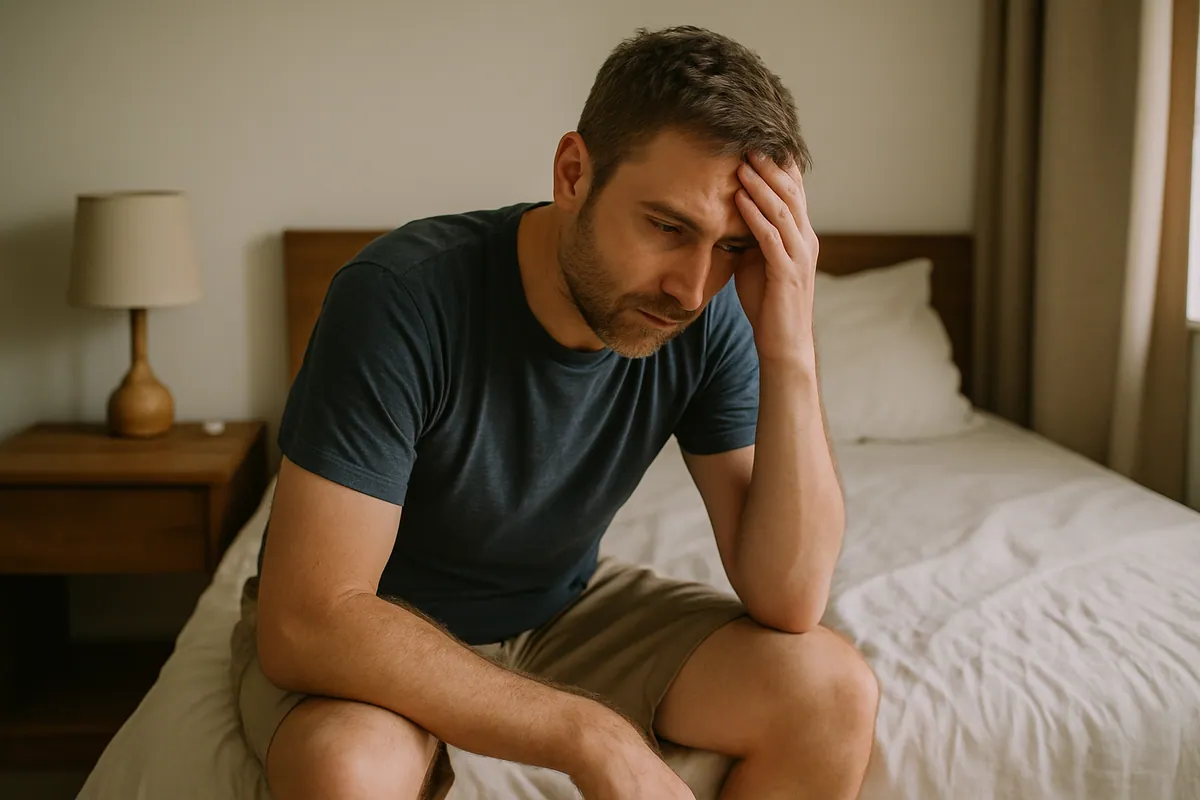
Hormonal imbalance isn't just a women's health topic — it's a major factor in how men feel, perform, and age. When hormones like testosterone, cortisol, and DHEA fall out of their optimal ranges, the effects can ripple through every area of your life. The tricky part? Many men don't recognize the signs because they chalk them up to "just getting older." But understanding what hormonal imbalance looks like is the first step toward taking action. Below are six warning signs that your hormones may need attention, along with practical strategies to help get things back on track.
1. Persistent Fatigue That Sleep Doesn't Fix
We all have tired days, but if you're logging seven to eight hours of sleep and still dragging yourself through the morning, your hormones could be the culprit. Testosterone plays a central role in energy regulation, and declining levels — which naturally begin around age 30 — may leave you feeling chronically drained.
Cortisol imbalance can make things worse. When your stress hormone stays elevated around the clock, it disrupts your sleep architecture, meaning you spend less time in the deep, restorative stages your body needs. If this sounds familiar, our guide on cortisol balance for men breaks down what's happening and how to address it.
What to watch for:
- Waking up tired despite adequate sleep
- Needing caffeine just to function before noon
- Energy crashes that feel disproportionate to your activity level
2. Unexplained Weight Gain — Especially Around the Midsection
If your diet and exercise routine haven't changed but your waistline keeps expanding, hormones may be driving the shift. Low testosterone is associated with increased fat storage, particularly visceral fat around the abdomen. At the same time, elevated cortisol encourages the body to hold onto fat as a survival mechanism.
Insulin sensitivity also plays a role. When testosterone drops, research suggests that the body's ability to regulate blood sugar may decline, creating a cycle where weight gain further suppresses healthy hormone production. It's a frustrating loop, but one that targeted lifestyle changes — like resistance training and better sleep hygiene — may help interrupt.
3. Mood Swings and Irritability You Can't Explain
Testosterone doesn't just influence your body — it has a significant impact on your brain chemistry. Men with lower testosterone levels are more likely to report feelings of irritability, anxiety, and even depression, according to multiple studies. DHEA, a precursor hormone that supports both testosterone and mood-regulating neurotransmitters, may also play a role when levels decline. You can learn more about what DHEA actually does for men's health and why it matters.
Red flags to notice:
- Feeling short-tempered over minor issues
- A general sense of apathy or low motivation
- Increased anxiety without an obvious external trigger
- Withdrawing from social situations you used to enjoy
These emotional shifts are not character flaws. They're often biological signals worth investigating with your healthcare provider.
4. Declining Physical Stamina and Slower Recovery
Remember when you could power through a workout and feel fine the next day? If recovery now takes noticeably longer — or your endurance has dropped despite consistent training — hormonal shifts could be involved.
Testosterone is essential for protein synthesis and muscle repair. Growth hormone, which works in tandem with testosterone, also tends to decline with age. Together, these changes can make workouts feel harder and recovery feel endless. If you're over 40 and noticing this pattern, our article on building stamina recovery after 40 offers practical strategies worth exploring.
5. Poor Sleep Quality and Nighttime Restlessness
Hormones and sleep have a bidirectional relationship — poor hormonal balance disrupts sleep, and poor sleep further disrupts hormonal balance. Testosterone production peaks during deep sleep, so men who suffer from insomnia or fragmented sleep may experience a compounding decline.
Melatonin production can also shift with age, making it harder to fall asleep and stay asleep. Cortisol, which should naturally dip at night, may remain elevated in chronically stressed men, keeping the nervous system in a state of alert.
Simple sleep-supporting habits:
- Keep your bedroom cool (65–68°F is often ideal)
- Avoid screens for at least 30 minutes before bed
- Establish a consistent wake time, even on weekends
- Limit caffeine after 2 PM
- Consider magnesium-rich foods like pumpkin seeds and dark leafy greens, which research suggests may support relaxation
6. Reduced Confidence and Drive
This one is harder to quantify, but many men describe it as feeling like they've "lost their edge." The ambition, confidence, and competitive fire that once felt natural start to fade. While there are certainly psychological factors at play, hormones are often part of the equation.
Testosterone influences dopamine pathways in the brain — the same circuits responsible for motivation, reward-seeking behavior, and goal-directed action. When levels dip, that internal drive can diminish. DHEA and thyroid hormones may also contribute to this overall sense of reduced vitality.
This isn't about toxic masculinity or outdated stereotypes. It's about feeling like yourself and having the internal resources to pursue what matters to you.
What You Can Do: Natural Strategies That May Help
If several of these signs resonate, consider these evidence-backed approaches before assuming the worst:
- Strength training: Compound lifts like squats and deadlifts have been shown to support healthy testosterone levels.
- Stress management: Chronic stress is one of the biggest hormonal disruptors. Meditation, breathwork, and time in nature may help lower cortisol.
- Nutrition: Zinc, vitamin D, healthy fats, and adequate protein all play roles in hormone production.
- Sleep optimization: Prioritize seven to nine hours of quality sleep as a non-negotiable foundation.
- Body composition: Maintaining a healthy body fat percentage supports better hormonal balance overall.
FAQ
At what age do hormonal changes typically start in men?
Testosterone begins a gradual decline — roughly 1% per year — starting around age 30. However, lifestyle factors like stress, sleep, and diet can accelerate or slow this process significantly.
Should I get my hormone levels tested?
If you're experiencing multiple signs on this list, a simple blood panel can provide valuable insights. Talk to your doctor about testing total and free testosterone, DHEA-S, cortisol, and thyroid markers.
Can lifestyle changes really make a difference?
Research consistently suggests that exercise, sleep quality, stress reduction, and balanced nutrition may meaningfully support hormonal health — especially when combined. They won't replace medical treatment if levels are clinically low, but they form an essential foundation.
Hormonal imbalance in men is more common than most people realize, and recognizing the signs early gives you the best chance to take meaningful action. Listen to your body, stay informed, and don't hesitate to seek professional guidance.
This article is for informational purposes only and is not intended as medical advice. Always consult a qualified healthcare provider before making changes to your health routine.