DHEA and Men's Health: What This Hormone Actually Does
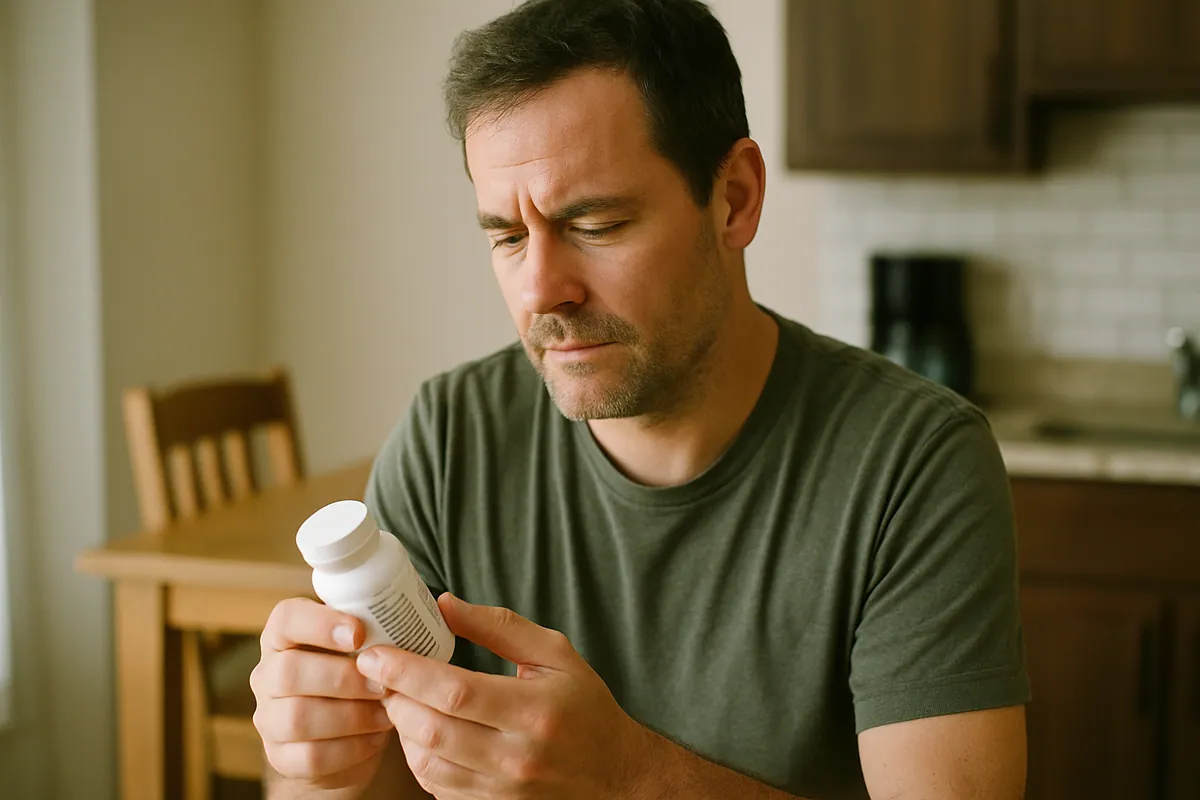
Most men have heard of testosterone, but far fewer know about DHEA — the precursor hormone that quietly influences energy, body composition, mood, and overall vitality. Understanding DHEA and men's health is essential because this steroid hormone serves as the raw material your body uses to produce both testosterone and estrogen. Research suggests that DHEA levels peak in your mid-twenties and then steadily decline, dropping by roughly 10–20% per decade. By the time many men reach their fifties, DHEA levels may be a fraction of what they once were — and the effects can show up as reduced stamina, sluggish recovery, and lower daily drive.
So what exactly is DHEA, why does it matter so much for men, and what can you do about declining levels? Let's break it all down.
What Is DHEA and Why Does It Matter?
DHEA (dehydroepiandrosterone) is a hormone produced primarily by the adrenal glands, with smaller amounts made in the brain and testes. It's the most abundant circulating steroid hormone in the human body, and it functions as a critical precursor — meaning your body converts it into other hormones, including testosterone and various androgens that support male characteristics and performance.
Here's why DHEA deserves your attention:
- Hormonal foundation: DHEA sits upstream of testosterone in the hormonal cascade. When DHEA production falters, downstream hormone levels may be affected as well.
- Energy and vitality: Adequate DHEA levels have been associated with better energy metabolism and a greater sense of well-being in clinical studies.
- Body composition: Research suggests DHEA may play a role in supporting lean muscle mass and healthy fat distribution.
- Cognitive function: Some studies link healthy DHEA levels with sharper memory and improved mood regulation.
- Immune support: DHEA appears to have immunomodulatory properties, potentially helping the body manage its stress-immune balance.
Think of DHEA as one of your body's hormonal building blocks. Without enough of it, the entire structure can feel less stable.
Why DHEA Levels Decline in Men
The age-related decline of DHEA — sometimes called "adrenopause" — is a well-documented phenomenon, though it doesn't receive nearly the same attention as testosterone decline. Several factors accelerate DHEA loss beyond simple aging:
Chronic Stress and Cortisol
Your adrenal glands produce both DHEA and cortisol. Under chronic stress, the adrenals may prioritize cortisol production at the expense of DHEA — a concept sometimes referred to as the "cortisol steal." Over time, this imbalance can leave you with elevated cortisol and suppressed DHEA, creating a hormonal environment that promotes fatigue, poor recovery, and weight gain. If you're unfamiliar with how stress hormones affect your body, our beginner's guide to cortisol balance covers the fundamentals.
Poor Sleep Quality
DHEA production follows a circadian rhythm, with much of its synthesis occurring during deep sleep. Consistently poor sleep — whether from late-night screen use, irregular schedules, or sleep disorders — can blunt your body's ability to produce adequate DHEA.
Sedentary Lifestyle
Physical activity, particularly resistance training and high-intensity exercise, has been shown to acutely raise DHEA levels. Men who remain sedentary miss out on this natural stimulus, potentially accelerating hormonal decline.
Nutritional Deficiencies
Certain nutrients — including zinc, magnesium, vitamin D, and healthy fats — support adrenal function and hormone synthesis. Diets lacking these essentials may impair DHEA production over time.
How to Support Healthy DHEA Levels Naturally
The good news is that lifestyle interventions may meaningfully influence DHEA production. While you can't fully reverse age-related decline, strategic habits can help you maintain healthier levels for longer.
Prioritize Stress Management
Since cortisol and DHEA compete for adrenal resources, managing chronic stress is one of the most direct ways to protect DHEA levels. Evidence-backed strategies include:
- Mindfulness meditation or deep-breathing exercises (even 10 minutes daily)
- Time in nature, which research suggests may lower cortisol
- Setting boundaries around work hours and digital connectivity
- Regular social connection and leisure activities
Train Smart and Consistently
Exercise is a powerful hormonal lever. Studies indicate that both resistance training and moderate-intensity cardiovascular exercise can support healthy DHEA levels. The key is consistency without overtraining — excessive exercise volume without adequate recovery can actually raise cortisol and suppress DHEA. If you're building a fitness foundation, our guide on physical readiness for men is a solid starting point.
Optimize Your Sleep
Aim for seven to nine hours of quality sleep per night. To improve your sleep environment:
- Keep your bedroom cool (65–68°F is often ideal)
- Eliminate blue light exposure at least an hour before bed
- Maintain a consistent sleep-wake schedule, even on weekends
- Avoid heavy meals and alcohol close to bedtime
Poor weekend habits in particular can disrupt your hormonal rhythms throughout the week — learn more about weekend habits that destroy your energy levels.
Eat for Adrenal Health
Support your adrenal glands with whole foods rich in the nutrients they need:
- Zinc: oysters, pumpkin seeds, beef, chickpeas
- Magnesium: dark leafy greens, almonds, dark chocolate
- Vitamin D: fatty fish, egg yolks, safe sun exposure
- Healthy fats: avocado, olive oil, nuts, fatty fish
- B vitamins: whole grains, eggs, legumes
A nutrient-dense, anti-inflammatory diet provides the raw materials your endocrine system needs to function optimally.
Limit Alcohol and Processed Foods
Excessive alcohol consumption has been shown to impair adrenal function and reduce circulating DHEA. Similarly, diets high in refined sugar and processed ingredients may promote inflammation that disrupts hormonal balance.
The DHEA-Testosterone Connection
One reason DHEA matters so much for men is its direct relationship with testosterone. As a precursor hormone, DHEA is converted through enzymatic pathways into androstenedione, which is then converted into testosterone. When DHEA levels are low, the available substrate for testosterone production may be reduced.
This doesn't mean that boosting DHEA automatically raises testosterone in a one-to-one fashion — the relationship is more nuanced. However, maintaining healthy DHEA levels creates a more favorable hormonal environment, supporting the body's natural testosterone production alongside other androgens that contribute to male vitality.
FAQ
At what age do DHEA levels start declining?
DHEA levels typically peak between ages 20 and 25, then begin a gradual decline. Most men notice a more significant drop in their forties and beyond.
Can lifestyle changes really affect DHEA levels?
Yes. Research suggests that regular exercise, quality sleep, stress management, and proper nutrition may all help support healthier DHEA levels, though they cannot fully prevent age-related decline.
Is low DHEA the same as low testosterone?
No. While DHEA is a precursor to testosterone, they are separate hormones with distinct functions. A man can have low DHEA with normal testosterone, or vice versa. Blood testing can help clarify your individual hormone profile.
Should I get my DHEA levels tested?
If you're experiencing persistent fatigue, low motivation, or declining physical performance despite healthy habits, it may be worth discussing DHEA-S testing (the sulfated, measurable form) with your healthcare provider.
The Bottom Line
DHEA is one of the most overlooked yet foundational hormones in men's health. While declining levels are a natural part of aging, the rate of that decline is influenced by the choices you make every day — how you manage stress, how you move your body, what you eat, and how well you sleep. By understanding DHEA's role and taking proactive steps to support your adrenal health, you can create a stronger hormonal foundation for lasting energy, vitality, and confidence at any age.
This article is for informational purposes only and does not constitute medical advice. Consult a qualified healthcare provider before making changes to your health regimen.