Physical Readiness: A Beginner's Guide for Men
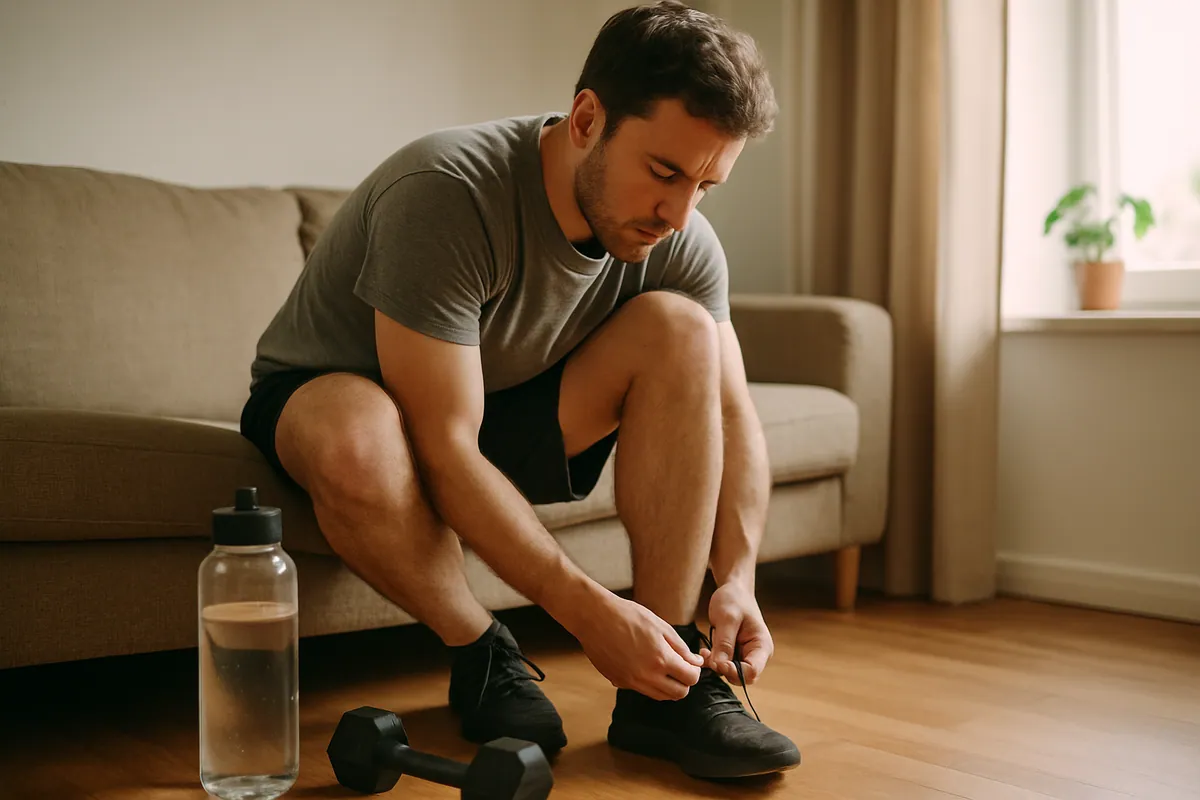
If you've ever felt underprepared for the demands of your day — whether it's keeping up at work, powering through a workout, or showing up with confidence in intimate moments — you're not alone. Physical readiness is the state of having the energy, stamina, and mental sharpness to handle whatever life throws at you. Think of it as your body's overall capacity to perform. The good news? You don't need to be an elite athlete to build it. This beginner's guide breaks down the core pillars of physical readiness for men and gives you practical, evidence-based steps to start improving today.
What Physical Readiness Actually Means
Physical readiness isn't just about being able to run a mile or lift heavy weights. It's a broader concept that covers several interconnected systems in your body working together efficiently:
- Cardiovascular fitness — how well your heart and lungs deliver oxygen to working muscles
- Muscular endurance — your muscles' ability to sustain effort over time without fatiguing quickly
- Hormonal balance — adequate levels of testosterone and other hormones that influence energy, mood, and recovery
- Circulation — efficient blood flow that delivers nutrients and removes waste products from tissues
- Mental resilience — focus, confidence, and the psychological drive to push through challenges
When any one of these areas falls short, you feel it — as sluggishness, brain fog, reduced stamina, or a general sense that you're running on fumes. The goal isn't perfection in each category but steady, sustainable improvement across the board.
Why So Many Men Struggle With It
Modern life works against physical readiness in ways most guys don't realize. Sedentary desk jobs, poor sleep habits, high stress, and processed diets all chip away at your body's ability to perform.
The Sedentary Trap
Sitting for eight or more hours a day reduces blood flow to your legs and core, weakens postural muscles, and may contribute to lower testosterone levels over time. Research suggests that prolonged sitting is independently associated with increased cardiovascular risk, even if you exercise regularly. If you're looking for ways to counteract this, learning about simple habits for better circulation is a solid starting point.
Sleep Debt
Most men underestimate how much poor sleep undermines their readiness. During deep sleep, your body releases growth hormone, repairs muscle tissue, and consolidates memory. Chronic sleep deprivation — even losing just one to two hours per night — has been shown to reduce testosterone, impair reaction time, and increase perceived effort during physical tasks.
Stress Overload
Chronic stress elevates cortisol, which can interfere with testosterone production, break down muscle tissue, and promote fat storage around the midsection. It also drains mental energy, making it harder to stay motivated and focused.
Five Foundational Steps to Build Physical Readiness
You don't need a radical overhaul. Start with these fundamentals and build from there.
1. Move Your Body Every Day
Aim for at least 30 minutes of moderate activity most days. This could be brisk walking, cycling, swimming, or bodyweight exercises. Consistency matters far more than intensity when you're starting out. Regular movement improves cardiovascular efficiency, supports healthy circulation, and may help maintain balanced hormone levels.
2. Prioritize Quality Sleep
Target seven to nine hours per night. Create a wind-down routine: dim the lights an hour before bed, avoid screens, and keep your bedroom cool and dark. If you find that poor sleep is leaving you drained well into the afternoon, our guide on the afternoon energy slump explores why that happens and what you can do about it.
3. Eat for Sustained Energy
Focus on whole foods that provide steady fuel rather than sugar spikes and crashes:
- Lean proteins (chicken, fish, eggs, legumes) for muscle repair
- Complex carbohydrates (oats, sweet potatoes, brown rice) for long-lasting energy
- Healthy fats (avocado, nuts, olive oil) for hormone production
- Colorful vegetables for micronutrients and antioxidants that support circulation
Stay hydrated — even mild dehydration can reduce endurance and cognitive performance.
4. Train Your Cardiovascular System
Beyond daily movement, include two to three sessions per week of more structured cardio. Interval training — alternating between higher and lower effort levels — has been shown to improve VO2 max (a key marker of aerobic fitness) more efficiently than steady-state cardio alone. Start with short intervals, like 30 seconds of effort followed by 60 seconds of recovery, and gradually increase.
5. Strengthen Your Mindset
Physical readiness has a mental component that many beginners overlook. Setting small, achievable goals and celebrating progress builds a positive feedback loop. Research in sports psychology suggests that self-efficacy — your belief in your ability to succeed — directly influences physical performance. Understanding how mindset shapes male vitality can help you harness this connection.
How to Track Your Progress
You don't need expensive gadgets to monitor improvement. Pay attention to these simple markers:
- Resting heart rate — a decreasing resting heart rate over weeks generally indicates improving cardiovascular fitness
- Perceived effort — tasks that used to leave you winded start feeling easier
- Recovery time — you bounce back faster after workouts or long days
- Sleep quality — you fall asleep more easily and wake feeling more refreshed
- Confidence and mood — you feel more capable and motivated throughout the day
Keep a simple journal or use your phone's notes app. Reviewing your entries every few weeks reveals trends you'd otherwise miss.
Common Mistakes Beginners Make
- Doing too much too fast — overtraining leads to burnout, injury, and elevated cortisol, which is the opposite of what you want
- Ignoring recovery — rest days aren't lazy days; they're when your body adapts and gets stronger
- Relying on stimulants — caffeine can be a helpful tool in moderation, but using it to mask fatigue only deepens the underlying problem
- Skipping mobility work — tight muscles and stiff joints limit range of motion and increase injury risk; spend five to ten minutes stretching or foam rolling daily
FAQ
How long does it take to notice improvement in physical readiness? Most men report feeling more energized and less fatigued within two to three weeks of consistent exercise and improved sleep habits. Measurable cardiovascular improvements typically appear within four to six weeks.
Can physical readiness affect intimate performance? Yes. Cardiovascular fitness, healthy circulation, balanced hormones, and mental confidence all play roles in sexual health. Improving your overall readiness may positively influence stamina and confidence in intimate moments.
Do I need to join a gym? Not at all. Bodyweight exercises, outdoor walks, and home-based routines can be highly effective, especially for beginners. The best program is one you'll actually stick with.
Is age a barrier? Age influences recovery speed and hormone levels, but men of all ages can improve their physical readiness with appropriate, progressive training and lifestyle habits.
Wrapping Up
Physical readiness isn't a destination — it's an ongoing practice built on simple daily choices. Move consistently, sleep well, eat whole foods, challenge your cardiovascular system, and cultivate a resilient mindset. Start where you are, respect the process, and trust that small efforts compound into noticeable results. Your body is designed to adapt — give it the right inputs, and it will.
This article is for informational purposes only and is not a substitute for professional medical advice, diagnosis, or treatment; always consult a qualified healthcare provider before starting any new exercise or wellness program.