Circulation and Muscle Recovery: Your Top Questions Answered
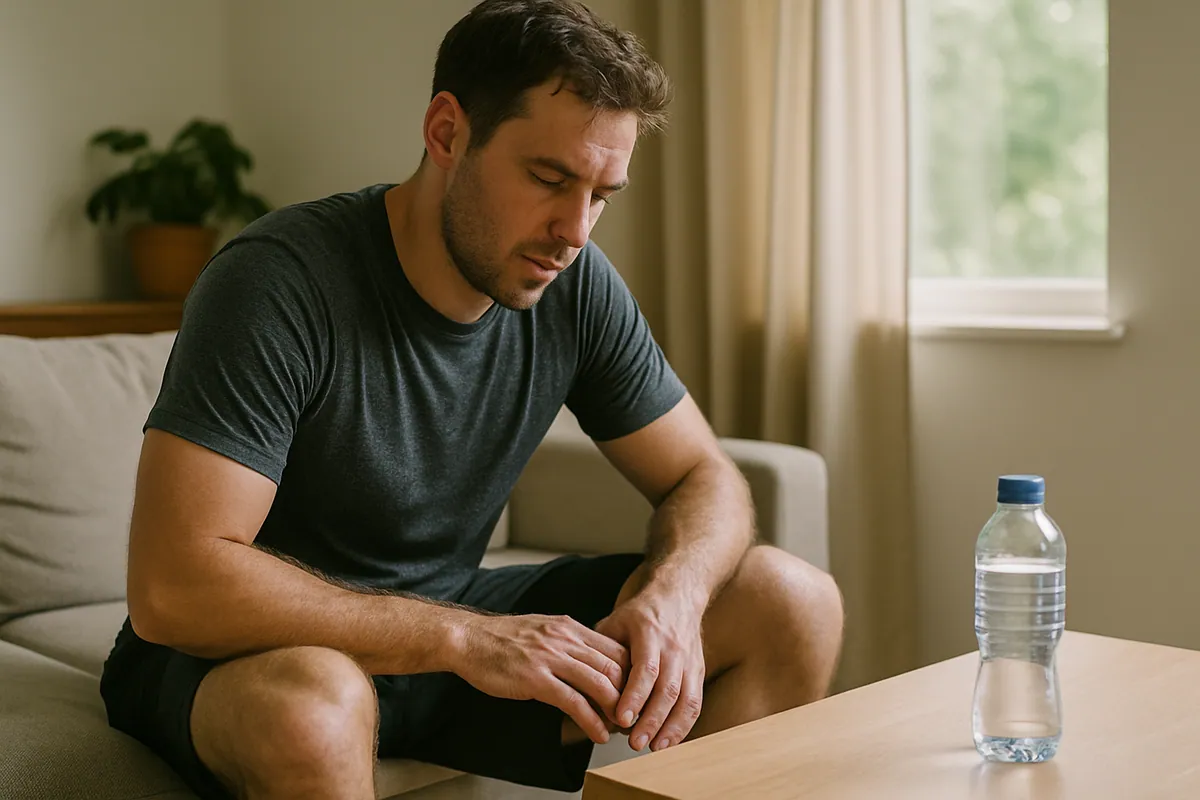
If you've ever wondered why your muscles feel stiff for days after a workout — or why some guys seem to bounce back faster than others — the answer often comes down to circulation and muscle recovery. Blood flow is the delivery system your body uses to shuttle oxygen, nutrients, and immune cells to damaged muscle fibers. When that system works efficiently, recovery speeds up. When it doesn't, soreness lingers, performance drops, and fatigue sets in. Below, we tackle the most common questions men ask about the connection between healthy circulation and faster, more complete muscle repair.
Why Does Blood Flow Matter So Much for Muscle Recovery?
During exercise, microscopic tears form in muscle fibers. That's normal — it's actually how muscles grow back stronger. But repair requires raw materials: oxygen, amino acids, glucose, and growth factors. All of those arrive via your bloodstream.
Research suggests that improved blood flow to exercised muscles may:
- Accelerate the delivery of nutrients needed for tissue repair
- Help flush metabolic byproducts like lactate and hydrogen ions
- Reduce localized inflammation that contributes to prolonged soreness
- Support the removal of cellular waste generated during intense effort
In short, the faster your circulatory system can deliver what muscles need and remove what they don't, the quicker you may feel ready for your next session. If you're new to the concept of optimizing blood flow after exercise, our Circulation Recovery: A Beginner's Guide for Men is a solid starting point.
What Are the Best Ways to Boost Circulation After a Workout?
This is probably the most frequently asked question we see. Here are several evidence-supported strategies:
Active Recovery
Light movement — a 10-minute walk, easy cycling, or gentle swimming — keeps blood flowing without adding training stress. Studies indicate that active recovery may reduce delayed-onset muscle soreness (DOMS) more effectively than complete rest.
Contrast Water Therapy
Alternating between warm and cool water (in the shower, for example) may promote a "pumping" effect on blood vessels, encouraging circulation through fatigued tissues. Typical protocols suggest 1–2 minutes of warm water followed by 30–60 seconds of cool water, repeated several cycles.
Foam Rolling and Self-Massage
Mechanical pressure on muscle tissue appears to temporarily increase local blood flow. A 2019 meta-analysis found that foam rolling after exercise was associated with modest reductions in muscle soreness.
Stretching and Mobility Work
Gentle post-workout stretching may help maintain vascular function and prevent the stiffness that can limit blood flow to recovering areas.
Cardiovascular Conditioning
Men who maintain a solid aerobic base tend to recover faster, likely because their cardiovascular systems are more efficient at delivering blood where it's needed. Check out 9 Cardio Workouts That Improve Circulation for Men for practical routines you can add to your week.
Does Poor Circulation Slow Down Recovery?
Yes — and the effects can compound over time. When circulation is compromised, muscles may stay inflamed longer, soreness persists, and you may notice decreased performance in subsequent workouts. Common factors that can impair blood flow include:
- Sedentary habits: Sitting for extended periods reduces vascular function
- Chronic stress: Elevated cortisol can constrict blood vessels
- Poor sleep: Restorative sleep is when much of the body's repair work — and circulatory regulation — happens
- Nutritional gaps: Deficiencies in nitric-oxide-supporting nutrients (like nitrate-rich vegetables) may limit vasodilation
- Hormonal imbalance: Hormones play a larger role in circulation than most men realize
If you suspect hormonal factors might be at play, understanding the signs of hormonal imbalance men should never ignore can help you identify whether it's time to talk to a healthcare provider.
How Long Should Muscle Recovery Take?
Recovery timelines depend on exercise intensity, your fitness level, age, sleep quality, and — naturally — circulation efficiency. General guidelines:
- Light exercise (walking, easy cardio): 12–24 hours
- Moderate resistance training: 24–48 hours per muscle group
- High-intensity or heavy lifting: 48–72 hours per muscle group
- Eccentric-heavy training (negatives, downhill running): Up to 96 hours
If you consistently find yourself needing longer than these windows, it may signal that your recovery systems — including circulation — need attention.
Can Nutrition Improve Circulation and Muscle Recovery?
Absolutely. Several dietary strategies have research behind them:
- Nitrate-rich foods (beets, spinach, arugula) may support nitric oxide production and vasodilation
- Omega-3 fatty acids (from fatty fish, flaxseed, walnuts) are associated with reduced inflammation and improved blood flow
- Adequate protein ensures your bloodstream carries the amino acids muscles need for repair
- Hydration is fundamental — even mild dehydration can reduce blood volume and impair circulation
- Tart cherry juice has shown promise in some studies for reducing exercise-induced inflammation and soreness
Does Age Affect the Circulation-Recovery Connection?
It does. As men age, arterial stiffness tends to increase, capillary density may decline, and hormonal shifts can further influence vascular health. Research suggests that men over 40 often experience slower recovery partly because circulatory efficiency decreases.
The good news? Consistent cardiovascular exercise, strength training, proper nutrition, and quality sleep can significantly offset age-related declines in both circulation and recovery capacity.
Quick FAQ
Should I use ice or heat for recovery?
Both have their place. Ice may help limit acute inflammation immediately after intense exercise, while heat tends to promote blood flow and relaxation in the days that follow. Many sports medicine professionals now recommend contrast therapy as a middle-ground approach.
Is compression gear worth it?
Compression garments may provide a modest benefit by supporting venous return — the process of moving blood back toward the heart. Research results are mixed, but many men report subjective improvements in comfort and perceived recovery.
How do I know if my circulation is poor?
Common signs include persistent cold hands or feet, slow wound healing, frequent muscle cramps, numbness or tingling in extremities, and unusually prolonged post-workout soreness. If you experience several of these, consult a healthcare provider.
Can stress really affect my recovery?
Yes. Chronic stress elevates cortisol, which can constrict blood vessels, impair sleep, and slow tissue repair. Managing stress through movement, mindfulness, and adequate rest may have a direct positive effect on both circulation and muscle recovery.
The Bottom Line
Circulation and muscle recovery are deeply interconnected. The same blood flow that powers your workouts also drives the repair process afterward. By staying active on rest days, eating nutrient-dense foods, prioritizing sleep, and building your cardiovascular fitness, you give your body the circulatory support it needs to recover faster, feel stronger, and stay ready for whatever comes next.
This article is for informational purposes only and does not constitute medical advice. Consult a qualified healthcare professional before making changes to your exercise, nutrition, or wellness routine.