Male Stamina Facts: 7 Myths That Sabotage Your Performance
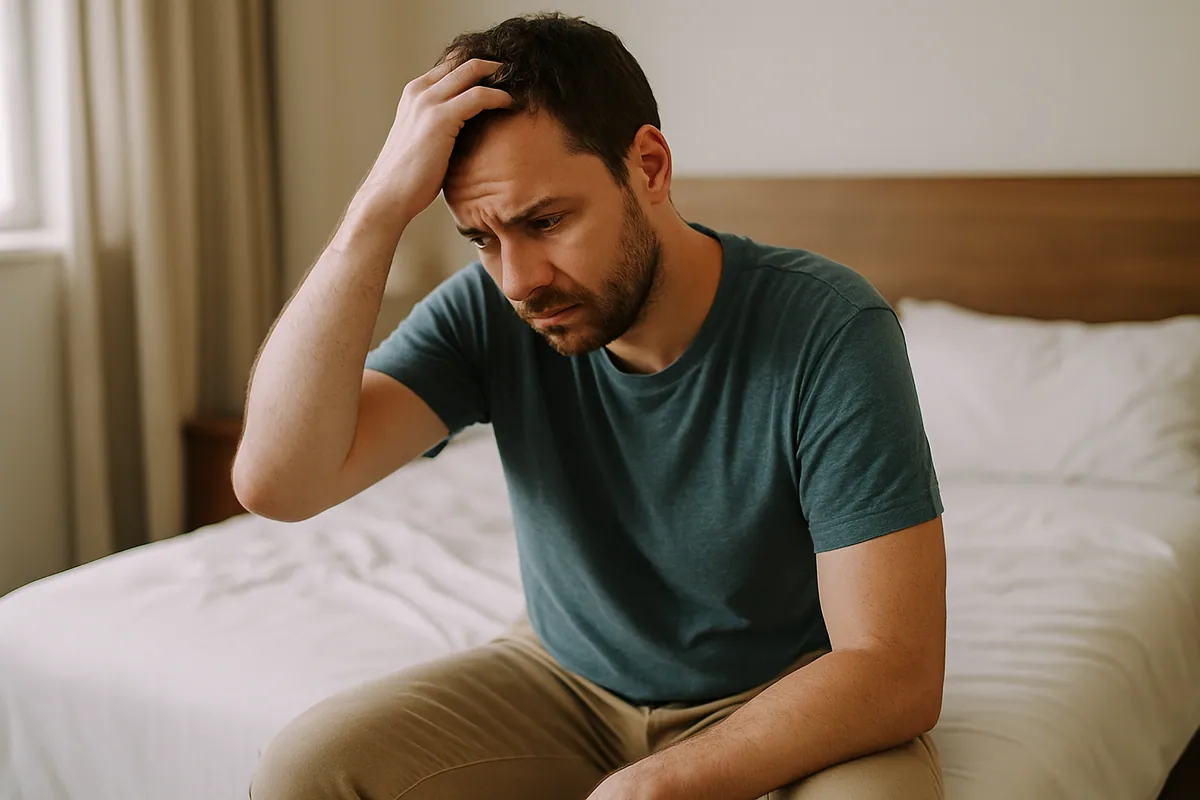
When it comes to male stamina facts, most men are operating on outdated advice, locker-room hearsay, or flat-out misinformation. The result? Wasted effort, frustration, and performance that never quite reaches its potential—whether in the gym, at work, or during intimate moments. Understanding what truly drives stamina can help you channel your energy where it matters. Below, we break down seven persistent myths and replace each one with evidence-backed reality so you can stop guessing and start progressing.
Myth 1: Stamina Is Purely Genetic
The claim: You either have natural endurance or you don't—there's nothing you can do about it.
The facts: Genetics do play a role in things like muscle fiber composition and VO₂ max ceiling, but research suggests that training, nutrition, sleep, and stress management account for the overwhelming majority of real-world stamina outcomes. A 2019 review in Sports Medicine found that consistent aerobic and resistance training could improve endurance markers by 15–25 percent in previously untrained adults, regardless of genetic baseline.
Takeaway: Your genes set a range, not a ceiling. What you do daily—how you eat, move, and recover—determines where in that range you land. If you're just getting started, our beginner's guide to physical readiness walks you through the fundamentals.
Myth 2: You Need to Train Harder, Not Smarter
The claim: More sweat, more soreness, more hours in the gym equals more stamina.
The facts: Overtraining is one of the fastest ways to destroy endurance. When you push past your recovery capacity, cortisol spikes, testosterone may dip, and your central nervous system accumulates fatigue. Studies show that periodized training—alternating intensity and volume with structured recovery—produces better long-term stamina gains than grinding at maximum effort every session.
Takeaway: Strategic rest is not laziness; it's part of the program. Key recovery strategies include:
- Scheduling at least one full rest day per week
- Prioritizing 7–9 hours of quality sleep
- Incorporating low-intensity active recovery like walking or light stretching
- Managing psychological stress, which compounds physical fatigue
Men over 40, in particular, benefit from a recovery-first mindset. Check out these proven ways to build stamina recovery after 40 for a deeper dive.
Myth 3: Cardio Is the Only Way to Build Endurance
The claim: If you want stamina, you need to run—period.
The facts: Running and cycling are excellent, but strength training plays an equally important role. Research published in the Journal of Strength and Conditioning Research demonstrates that muscular endurance, built through moderate-weight, higher-rep resistance work, directly translates to better functional stamina. Stronger muscles fatigue more slowly, improve posture, and support cardiovascular efficiency.
Takeaway: A balanced approach that combines cardiovascular conditioning with resistance training tends to produce the most well-rounded stamina gains.
Myth 4: Male Stamina Facts Don't Apply After a Certain Age
The claim: Once you hit your 40s or 50s, decline is inevitable and there's no point optimizing.
The facts: Age-related changes are real—testosterone production may gradually decrease, and recovery takes longer. However, research consistently shows that men who remain physically active, manage nutrition, and prioritize sleep maintain significantly higher stamina levels than sedentary peers decades younger. A landmark study in The Physician and Sportsmedicine found that masters-level athletes preserved roughly 80 percent of their peak endurance capacity well into their 60s.
Takeaway: Age changes the strategy, not the goal. Adaptation is always possible.
Myth 5: Skipping Sleep for Workouts Is a Net Positive
The claim: Waking up at 4 a.m. to train is always better than sleeping in.
The facts: Sleep is when your body repairs muscle tissue, regulates hormones, and consolidates the neurological adaptations that improve performance. Cutting sleep to squeeze in exercise can actually reduce stamina over time. Research in Sleep journal found that restricting sleep to six hours or fewer per night for just one week reduced endurance performance by up to 11 percent.
Takeaway: If the choice is between a 5 a.m. gym session on five hours of sleep or getting a full night's rest, rest usually wins. For practical tips on building an energizing start to your day without sacrificing sleep, explore this morning energy routine guide.
Myth 6: Dehydration Only Matters During Exercise
The claim: You only need to worry about water intake when you're actively sweating.
The facts: Even mild chronic dehydration—losing just 1–2 percent of body water—has been shown to reduce cognitive performance, increase perceived effort during physical tasks, and impair circulation. For men concerned about stamina and overall vitality, consistent hydration throughout the day is non-negotiable.
Takeaway: Practical hydration habits that support stamina include:
- Drinking water first thing in the morning
- Keeping a water bottle visible at your desk
- Consuming water-rich foods like cucumbers, watermelon, and oranges
- Monitoring urine color (pale yellow is the target)
Myth 7: Stamina Is Only About Physical Fitness
The claim: If your body is fit, your stamina is automatically optimal.
The facts: Mental stamina, stress resilience, and hormonal balance all play critical roles. Chronic psychological stress elevates cortisol, which may suppress testosterone and erode both physical and mental endurance. Anxiety and low confidence can create a feedback loop where perceived fatigue becomes real fatigue, regardless of fitness level.
Takeaway: A holistic approach—combining physical training with stress management techniques like deep breathing, mindfulness, or simply spending time outdoors—tends to produce the most sustainable stamina improvements.
FAQ: Quick Male Stamina Facts
How long does it take to notice stamina improvements?
Most men begin to notice measurable changes in endurance within 3–4 weeks of consistent training and lifestyle adjustments, though significant gains typically develop over 8–12 weeks.
Does diet really affect stamina?
Absolutely. Nutrient-dense whole foods supply the micronutrients—iron, B vitamins, magnesium—that support energy metabolism and oxygen transport. Poor dietary habits may undermine even the best training program.
Can stress alone reduce physical stamina?
Yes. Chronic stress may impair recovery, reduce sleep quality, and disrupt hormonal balance, all of which can diminish endurance and overall vitality.
The Bottom Line
Building real, lasting stamina isn't about following the loudest advice—it's about following the most accurate. Replace these myths with evidence-based habits, stay consistent, and give your body the recovery it needs. Over time, the compounding effect of smart training, quality sleep, proper nutrition, and stress management can reshape how you perform and feel every single day.
This article is for informational purposes only and does not constitute medical advice; consult a qualified healthcare professional before making changes to your exercise, nutrition, or wellness routine.