Energy Myths Men Believe: 7 Misconceptions Debunked
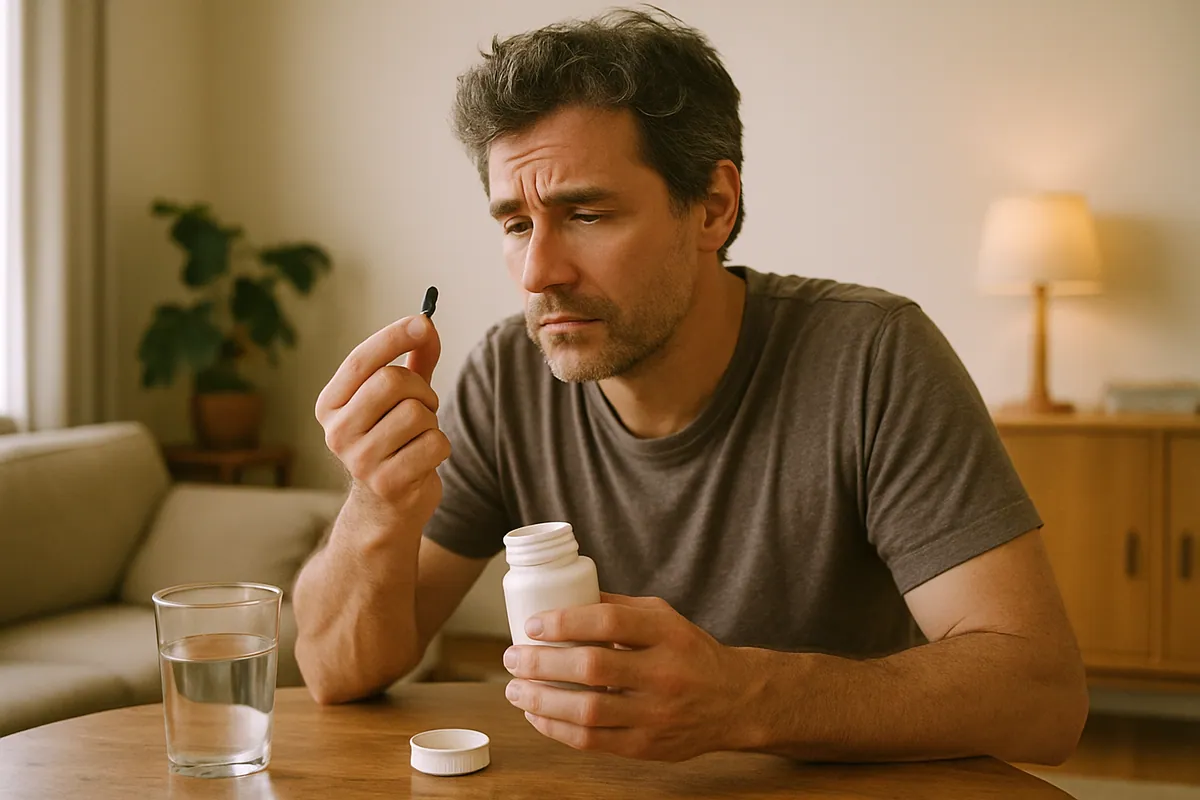
If you've ever chugged a third cup of coffee and still felt drained by 2 p.m., you're not alone — and the advice you've been following might be part of the problem. Common energy myths circulate so widely that most men accept them without question, quietly sabotaging their daily vitality. The truth is, sustained energy comes from understanding how your body actually works — not from quick fixes or bro-science shortcuts. Below, we'll separate fact from fiction on seven of the most persistent misconceptions about male energy, so you can stop guessing and start thriving.
Myth 1: More Caffeine Equals More Energy
The misconception: If one cup of coffee wakes you up, four cups will make you unstoppable.
The reality: Caffeine blocks adenosine receptors in the brain, temporarily masking tiredness rather than eliminating it. Research suggests that excessive caffeine — generally beyond 400 mg per day — may actually increase cortisol levels, disrupt sleep architecture, and create a vicious cycle of fatigue and dependence. Moderate caffeine intake can be a useful tool, but it's no substitute for genuine energy production at the cellular level.
What to do instead: Pair a moderate amount of caffeine with adequate hydration and balanced meals. If you're looking for broader strategies, our guide on how to boost your daily energy as a practical lifestyle approach covers habits that go well beyond the coffee pot.
Myth 2: Skipping Meals Helps You Power Through
The misconception: Real men push through hunger and eat when the work is done.
The reality: Your brain runs almost exclusively on glucose. When you skip meals — especially breakfast — blood sugar dips, concentration falters, and your body starts breaking down muscle glycogen for fuel. Studies show that men who eat regular, balanced meals tend to report higher sustained energy and better cognitive performance throughout the day.
What to do instead: Aim for three balanced meals and a smart snack or two. Prioritize protein, healthy fats, and complex carbohydrates to keep blood sugar stable.
Myth 3: Energy Myths Say Cardio Is the Only Fix for Fatigue
The misconception: If you're tired, you just need to run more.
The reality: While aerobic exercise does improve cardiovascular efficiency and mood, resistance training may be equally important for energy. Strength training has been shown to support healthy testosterone levels, improve insulin sensitivity, and increase mitochondrial density in muscles — all of which contribute to how energized you feel day to day. A well-rounded routine that includes both cardio and strength work is the smarter approach.
What to do instead: Blend resistance training with cardiovascular exercise. For men specifically concerned about circulation-related fatigue, learning the best exercises to improve blood circulation in legs can be a game-changer.
Myth 4: Feeling Tired Is Just Part of Getting Older
The misconception: After 35 or 40, declining energy is inevitable and there's nothing you can do.
The reality: Yes, certain hormonal shifts occur with age — testosterone gradually declines about 1% per year after 30, and metabolic rate may slow. But research consistently shows that lifestyle factors like sleep quality, nutrition, physical activity, and stress management play a far larger role in daily energy than age alone. Many men in their 50s and 60s report higher vitality than they had in their 30s after optimizing these fundamentals.
What to do instead: Focus on what you can control. Understanding the relationship between testosterone and aging can help you make informed decisions about supporting your vitality at any stage of life.
Myth 5: You Can "Bank" Sleep on Weekends
The misconception: Sleeping five hours on weekdays is fine if you catch up with ten hours on Saturday.
The reality: Sleep debt doesn't work like a bank account. Research from the University of Colorado found that "recovery sleep" on weekends failed to reverse the metabolic disruption caused by chronic sleep restriction during the week. Irregular sleep patterns may also impair circadian rhythm, making it harder to fall asleep and wake up consistently.
What to do instead:
- Aim for 7–9 hours of sleep per night, consistently.
- Keep wake-up times within a 30-minute window, even on weekends.
- Create a cool, dark sleep environment and avoid screens 30–60 minutes before bed.
Myth 6: Stress Only Affects Your Mind, Not Your Energy
The misconception: Stress is a mental health issue — it doesn't physically drain you.
The reality: Chronic stress triggers sustained cortisol release, which may suppress immune function, impair digestion, reduce testosterone production, and directly sap physical energy. The mind-body connection is well documented: men who report high psychological stress also tend to score lower on measures of physical vitality and endurance.
What to do instead:
- Practice brief daily stress-reduction techniques like deep breathing, walking, or mindfulness.
- Recognize that your mindset directly shapes physical outcomes — a concept explored in depth in The Confidence Loop and how mindset shapes male vitality.
Myth 7: Hydration Doesn't Really Affect Energy
The misconception: Dehydration is only a problem during extreme exercise or hot weather.
The reality: Even mild dehydration — as little as 1.5% body water loss — has been shown to impair mood, increase fatigue, and reduce cognitive function in men. Many men walk around chronically under-hydrated without realizing that their afternoon slump may have more to do with water intake than workload.
What to do instead:
- Drink water consistently throughout the day, not just when you feel thirsty.
- A general guideline is roughly half your body weight in ounces per day, adjusted for activity level and climate.
- Include water-rich foods like cucumbers, watermelon, and citrus in your diet.
FAQ: Quick Answers on Energy and Vitality
Q: Can supplements fix low energy? A: Some nutrients — like B vitamins, magnesium, and iron — play essential roles in energy metabolism. However, supplements work best when addressing a genuine deficiency, not as a blanket solution. Consult a healthcare provider for personalized guidance.
Q: How quickly can lifestyle changes improve energy? A: Many men notice improvements in energy within one to two weeks of optimizing sleep, hydration, and nutrition. Deeper changes related to fitness and hormonal balance may take several weeks to months.
Q: Is afternoon fatigue normal? A: A mild dip in alertness after lunch is common due to circadian rhythms. However, severe afternoon crashes often point to blood sugar imbalances, poor sleep, or chronic dehydration — all of which are addressable.
Energy isn't a mystery, and it's rarely a lost cause. By letting go of these persistent myths and focusing on evidence-based fundamentals — quality sleep, balanced nutrition, smart exercise, stress management, and consistent hydration — you put yourself in the best position to reclaim the vitality you deserve.
This article is for informational purposes only and is not a substitute for professional medical advice, diagnosis, or treatment.